Apex Recovery provides premier inpatient drug and alcohol addiction treatment in Tennessee, designed to support your recovery in a safe and comfortable environment. Our licensed and accredited rehab facilities offer private medically supervised detox programs and 24/7 clinical support from an experienced and compassionate team. Using evidence-based practices and a holistic approach to recovery, we help address the root causes of substance abuse, promoting long-term success for our patients. We accept health insurance from most major providers, including Aetna, Cigna, Blue Cross Blue Shield, United Healthcare, Humana, and TRICARE, while also offering additional private pay options. With modern, clean facilities that feel like home and convenient access from cities like Nashville, Memphis, Knoxville, Clarksville, and Brentwood, Apex Recovery is ready to help you take the first step toward healing.
If you’re exploring how to use health insurance for residential drug or alcohol addiction rehab, we’re here to help you. Reach out to Apex Recovery today to learn more about your options and how we can support you in your recovery. Call us anytime at (877) 881 2689 to verify your insurance, discuss our inpatient treatment programs, or ask any questions you may have about starting your healing journey.
What is a Residential Drug and Alcohol Rehab Center?
A residential rehab center is a dedicated facility where people struggling with substance use issues receive 24/7 care and structured treatment programs. Residential drug and alcohol addiction centers provide a comfortable and supportive environment to help you focus entirely on recovery without the distractions or triggers of everyday life.
Live-in or on-site care at residential facilities supports a consistent and immersive rehabilitation experience. By staying in a dedicated space, you can access professional, evidence-based treatments and therapies designed to address substance addiction effectively. Residential rehab approaches give you a focused, uninterrupted path to long-term healing.
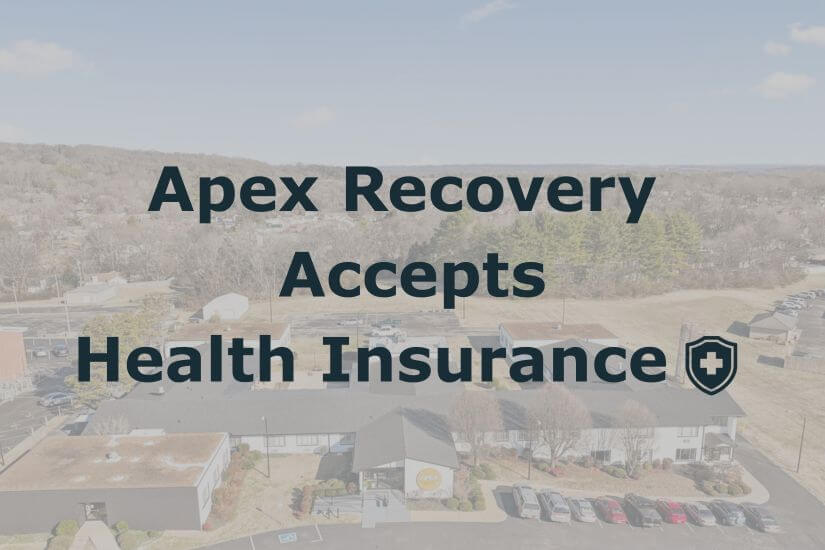
Difference Between Residential and Inpatient Rehab
While both residential and inpatient rehab involve staying at a treatment facility, there is a slight technical difference. Residential centers often provide a more home-like, comfortable environment, whereas inpatient facilities might operate within a more clinical, hospital-style setting.
For the purposes of this article, both “residential” and “inpatient” will be used interchangeably. Each term refers to the same comprehensive, live-in addiction treatment designed to offer the care and support needed to overcome substance abuse challenges.
Popular Cities in the Volunteer State Covered by Health Insurance
Most health insurance providers typically cover the entire state of Tennessee, offering access to addiction treatment services throughout urban, suburban, and rural areas. Medical coverage helps residents find quality substance misuse care across the Volunteer State.
Apex Recovery in Tennessee features private residential inpatient and outpatient facilities designed to support long-lasting recovery. Our expert-led facilities accept health insurance, making high-end rehab accessible and effective. With care that is deeply personalized to you and your situation, Apex creates a supportive atmosphere for drug and alcohol addiction treatment.
Cities like Nashville, Memphis, Knoxville, Chattanooga, Clarksville, and Murfreesboro, as well as other areas, are served by Apex’s comprehensive programs. Whether someone requires intensive inpatient care or the flexibility of outpatient treatment, Apex Recovery offers tailored solutions to meet a wide variety of needs.


Contact Apex Recovery Tennessee to check your insurance coverage levels and discuss your treatment needs.
What is Inpatient Rehab Coverage?
Inpatient rehab coverage refers to health insurance plans that help pay for the cost of staying at a facility to treat drug or alcohol addiction. Insurance for inpatient rehab often includes essential services such as medically supervised detox, therapy sessions, and round-the-clock medical care to promote a safe and effective recovery experience.
The benefits of insurance coverage for rehab make high-quality treatment more accessible and affordable for those dealing with substance addiction. Many insurance providers, including Aetna, Cigna, and Blue Cross Blue Shield, offer plans that support inpatient care. To understand what your policy covers, it’s important to verify your insurance and start exploring your options for addiction treatment.
Does Health Insurance Cover Private Inpatient Rehab in Tennessee?
Yes, health insurance does typically cover private inpatient rehab in Tennessee. However, the extent of the coverage can vary depending on your specific insurance provider and plan. Some policies may cover a majority of the costs, while others might offer partial support for services like medical detox and therapy.
To understand your coverage levels and explore options for private inpatient rehab, contact our Apex Recovery team at (877) 881 2689. We can verify your benefits, recommend a treatment plan to your provider, and guide you through the process of using private insurance for rehab stays at our high-quality addiction services in Tennessee.
Private Inpatient Rehab Centers in Tennessee That Accept Health Insurance
Apex Recovery provides private residential inpatient rehab centers for residents across Tennessee, accepting health insurance to offer accessible, easy to reach, and high-quality care for those seeking sobriety. Our inpatient facilities are designed to support you on your path to wellness through comprehensive therapies in a comfortable and private retreat.
- Apex Recovery Brentwood: 209 Ward Circle, Brentwood TN, 37027
- Apex Recovery Columbia: 2710 Trotwood Ave STE A & B Columbia, TN 38401
Fill in the form below to request a call back from Apex Recovery Tennessee
Insurance Providers That Cover Residential Drug and Alcohol Rehab in Tennessee
Health insurance providers like Ambetter, Cigna, Blue Cross Blue Shield, and United Healthcare offer coverage for residential drug and alcohol rehab in Tennessee, insurance providers are required to cover addiction treatment under the Affordable Care Act, as substance use disorders are classified as essential health benefits. Rehab programs with insurance support therefore play a vital role in making high-quality treatment more accessible to those in need of inpatient recovery services.
Other insurance providers, such as Aetna, Humana, Amerigroup, WellCare, and Magellan Health, also offer insurance for inpatient rehab. With a wide range of options available, those seeking SUD treatment in Tennessee can explore various policies and plans to find the best fit for their specific needs.
How Much Does Inpatient Rehab Cost in Tennessee Without Health Insurance?
The cost of inpatient residential rehab in Tennessee ranges from $6,000 to $30,000 per month without health insurance. This translates to approximately $200 to $1,000 per day, depending on the facility and level of care required.
Health insurance for SUD treatment may help cover some of these costs. Contact Apex Residential Recovery to learn more about your coverage options and how we can assist in making rehab more affordable using inpatient addiction treatment insurance.
If you don’t have health insurance, Apex Recovery offers private pay options and individualized treatment plans designed to meet your needs. Reach out to our team using our confidential contact form to tell us how we can support your recovery goals, needs, and budget today.

Check Your Coverage for Inpatient Residential Rehab
Apex Recovery provides exceptional inpatient drug and alcohol rehabilitation services in Tennessee. Our team can review your health insurance coverage levels on your behalf and recommend treatment to your provider, simplifying the insurance admissions process so you can focus on beginning your recovery with peace of mind.
Types of Residential Addiction Treatment Services Covered by Health insurance
Health insurance often includes coverage for various types of residential addiction services in Tennessee, making inpatient treatment more accessible and reducing financial stress. Residential rehab programs covered by insurance provide professional care in structured environments, tailored to meet the diverse needs of those seeking help with substance use disorders.
Inpatient Residential Treatment with 24/7 Supervision
Inpatient residential treatment offers constant care and monitoring, ideal for those in the early stages of recovery. This provides a controlled environment where medical staff and therapists are available around the clock to address withdrawal symptoms, manage cravings, and provide emotional support. 24-hour care is vital for stabilizing patients and addressing immediate challenges during their rehabilitation process.
Round-the-clock supervision also supports a recovery-focused routine, allowing you to fully focus on building coping strategies and breaking free from substance dependence. Structured environments eliminate distractions and external triggers, creating a safe space where you can prioritize your personal growth and develop healthier habits for your future.
Long-Term Rehab Programs in Residential Drug and Alcohol Rehab Centers
Long-term rehab programs extend beyond short-term treatment models, focusing on sustained recovery through extended care. Long-term programs combine therapy, education, and life skills training to help participants maintain sobriety over time. By addressing the root causes of substance abuse and building resilience, long-term rehab with insurance cover provides deeper healing and a foundation for lasting health and happiness.
Living in a recovery-oriented community for an extended period allows you to build meaningful connections with peers and staff. This network of support can help reinforce your progress and minimize the risk of relapse when you return home. Long-term residential rehab is particularly suited for addressing severe or long-standing drug or alcohol addiction issues.
Residential Addiction Treatment with Dual Diagnosis Support
A significant number of people with substance use disorders also face mental health conditions like anxiety, depression, or post-traumatic stress disorder (PTSD). Residential addiction treatment with dual diagnosis support addresses both issues at the same time, offering a comprehensive approach that treats the mind and body together.
Our dual diagnosis approach at Apex Recovery integrates therapy methods such as cognitive-behavioral therapy (CBT) or trauma-informed care to resolve mental health challenges while treating substance use disorders. Addressing the mental health factors that contribute to addiction helps reduce the risk of relapse and promotes overall well-being that truly lasts.
Drug and Alcohol Residential Rehab Programs with On-Site Accommodation
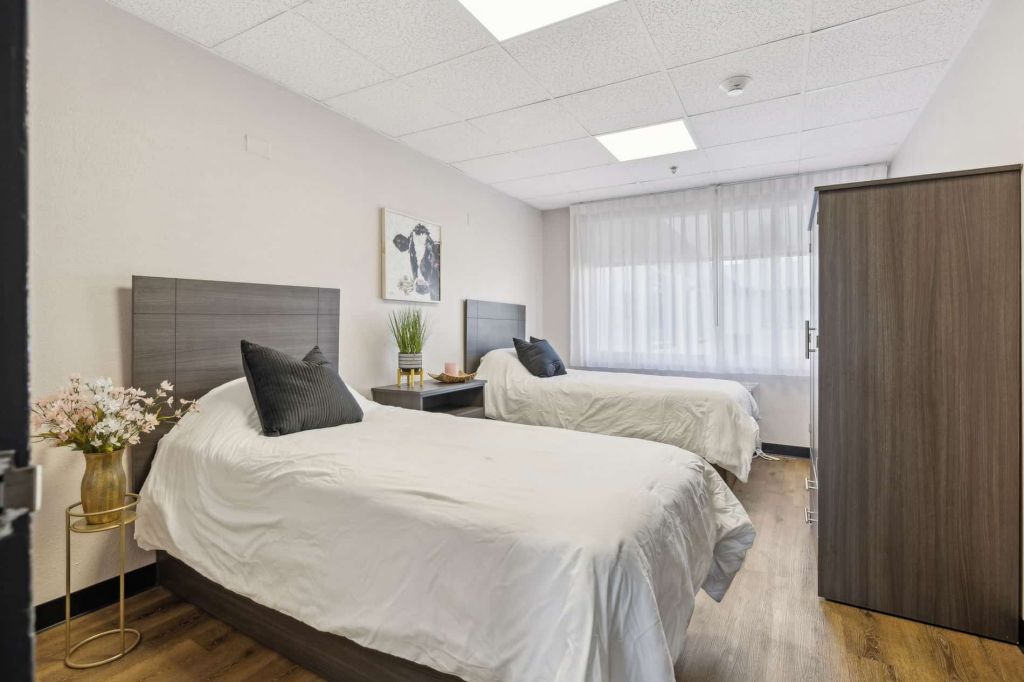
Residential rehab programs with on-site accommodation immerse participants in recovery-focused environments. With all treatment services housed in one location, patients can concentrate fully on their treatment without the stress of commuting or outside distractions. Live-in rehab facilities offer stability and provide access to therapy, counseling, and support throughout the day.
Insurance-covered inpatient rehab housing often includes shared or private living arrangements, communal spaces for social interaction, and amenities designed for therapeutic comfort. This arrangement encourages you to form bonds with other participants and creates a sense of community that allows you to heal in a supportive atmosphere.
Residential Therapy Programs at Substance Abuse Insurance-Covered Rehabs
Insurance-covered residential therapy programs offer structured approaches that combine evidence-based treatments and holistic support. Inpatient therapy programs may include individual counseling, group therapy, and specialized services aimed at addressing specific needs. The organized environment and consistent routines of residential therapy support recovery and personal growth in inpatient rehab centers that take insurance.
Regular progress evaluations at inpatient rehabs allow therapy plans to be adjusted based on your growth and needs. This adaptability creates a treatment experience that continuously aligns with the challenges and milestones of sobriety journeys, building a strong foundation for long-term success.
Private Residential Rehab and Aftercare Planning at Insurance-Approved Centers
Private rehab centers provide personalized care and higher levels of comfort to those seeking individualized treatment. Customized recovery programs are created to address specific addiction challenges, incorporating therapies, wellness activities, and private accommodations to enhance your personal rehab experience.
Aftercare planning is a key component of addiction treatment at inpatient facilities. Insurance-approved rehab centers in Tennessee design tailored aftercare solutions, including outpatient therapy, peer support groups, and strategies for relapse prevention. Continuing care plans help you transition back into daily life confidently and maintain your progress over time.
Apex Recovery accepts health insurance for inpatient drug and alcohol rehab. Contact us to check your coverage levels and discuss your treatment needs.
Getting Health Insurance to Pay for Inpatient Addiction Treatment
Understanding your health insurance policy is a crucial step when seeking inpatient addiction treatment. Many health plans include coverage for these services, which can help lower your expenses and provide you with access to necessary care. Reviewing your policy specifics is an important way to avoid unexpected financial challenges while pursuing recovery.
To start, carefully review your health insurance policy to determine what addiction treatment services are included. Next, reach out to your insurance provider to clarify any doubts or questions you may have about your medical benefits for inpatient residential rehab in Tennessee. Lastly, contact Apex Inpatient Recovery at (877) 881 2689 for professional guidance. We can help you understand your coverage options, liaise with your provider about the treatment you need, and offer support in accessing our residential rehab covered by insurance effectively.
How Insurance Really Works for Inpatient Rehab
Insurance payments for inpatient rehab may seem like a yes or no decision, but the approval really depends on assessments and medical needs. Approval comes in stages, deadlines matter, and the rules for being authorized for coverage can differ from plan to plan. Here’s some answers to questions on how it works in practice, drawn from the authorizations our admissions team handles for Tennessee families every week.
Why might insurance stop paying partway through an inpatient rehab stay?
Insurance often uses block based approvals during inpatient rehab, rather than a whole authorization for the entire stay. Concurrent reviews, plan checks, are completed in every few days to decide whether 24-hour care is still medically necessary. If your situation changes and the treatment is no longer seen as medically necessary, then the plan may stop paying for that level of care.
Your treatment wont simply end if this occurs. APEX’s program sends updated progress notes at every review. These reviews are a routine part of treatment. Even a 30-day rehab program usually spans several cycles. Both Aetna and UnitedHealthcare handle residential stays using concurrent reviews, and as a way to monitor when a step-down makes sense. We work with you and your insurance to make sure your treatment plan helps you.
Do you have to try outpatient treatment before insurance covers inpatient rehab?
No, you do not necessarily have to try outpatient treatment before your insurance will cover inpatient rehab. Federal parity law doesn’t require plans to cover addiction treatment, but plans that do generally can’t impose stricter “try outpatient first” rules than they use for comparable medical care. Most insurers place people using ASAM criteria, so choosing between inpatient vs outpatient rehab should rest on your clinical needs, not on what you’ve tried before.
How quickly does insurance need to be notified of an inpatient rehab admission?
Most plans want precertification before you arrive to a planned admission. Urgent admissions often require notice within 24 to 48 hours, or at least by the next business day. The exact deadline will be noted within in your policy documents or on the back of your insurance card.
Missing the window for authorization window can lead you to receiving a denied claim. APEX Recovery takes care of this for you, so you don’t miss out on your coverage. Our admissions team verifies your benefits, requests authorization, confirms how many days are approved up front, and helps you gain clarity about what all of it means. If you need inpatient rehab in Columbia on short notice, APEX will contact your plan as soon as you’re admitted.
Where is APEX’s inpatient program, and can Nashville-area patients step down to Brentwood?
APEX Recovery Columbia hosts our inpatient care program and it is located at 2710 Trotwood Ave. Yes, Nashville-area patients often step down to Brentwood for continued care with a closer commute to home.
Our Brentwood location at 209 Ward Circle offers programs such as partial hospitalization, intensive outpatient, and outpatient care. If you step down from inpatient residential care at Columbia, we make sure the same clinical team stays involved as you return to daily life. Our team works with you to build an aftercare plan around your work, family, and support network.
Statistics on Private Residential Addiction Treatment in Tennessee
- The state of Tennessee emphasizes recovery housing as a critical component of addiction treatment programs.
- In 2020, there were 13,585 residential treatment facilities in the U.S., providing care to individuals with substance use disorders.
- Long-term residential programs (lasting 6-12 months) are often more effective for individuals with severe addiction.
- 48% of clients in residential treatment facilities have a diagnosed co-occurring mental health disorder, requiring integrated care.
- Nationally, 24% of substance use treatment facilities offer residential care, while 83% provide outpatient services, highlighting the limited availability of more intensive treatment options.