Apex Recovery is committed to providing exceptional care through our specialized Kratom detox and rehab programs in Tennessee. By accepting health insurance from leading providers such as Aetna, Ambetter, Cigna, Blue Cross Blue Shield, United Healthcare, Humana, and more, Apex Recovery offers accessible support for those seeking recovery from kratom addiction. With evidence-based treatment methods, modern and inviting facilities, and a holistic approach to healing, we create an environment where you can focus on sustained wellness. Conveniently located for residents in Nashville, Memphis, Knoxville, Clarksville, and beyond, our addiction centers are designed to meet your kratom detox and rehab needs with both comfort and care.
If you are interested in learning more about which health insurance options cover residential drug and alcohol addiction rehab at Apex Recovery, call us at (877) 881 2689. Our team is here to guide you through the process, verify your insurance, and help you begin your path toward recovery.
What is Kratom Use Disorder?
Kratom Use Disorder refers to the excessive or problematic use of kratom, a plant-based substance, which can result in dependency and harmful effects on day-to-day life. Users may experience cravings, withdrawal symptoms, and an inability to control their intake, often interfering with work, relationships, and overall well-being.
Kratom originates from Southeast Asia and is traditionally used for its stimulant and pain-relieving properties. While it may have some therapeutic benefits, misuse of kratom, particularly at higher doses, can lead to addiction. Its growing availability as a powder, pill, tea, extract or ingestible leaf has raised concerns about dependency and the risks associated with unregulated consumption.
What is kratom Addiction Rehab?
Kratom addiction rehab provides structured programs to address dependency on kratom. Rehab plans often include detox services to manage withdrawal symptoms, behavioral therapies to address underlying issues, and ongoing support to encourage long-term, sustainable recovery.
Kratom rehab programs in Tennessee typically involve evidence-based treatments tailored to the unique challenges of kratom addiction. From medically-monitored detoxification to counseling sessions, the recovery process focuses on helping individuals regain control of their lives. Professional, experienced support during drug addiction treatment plays a crucial role in overcoming kratom dependency and building sustainable abstinence.
Popular Cities in the Volunteer State for kratom Addiction Recovery
Many health insurance providers cover kratom addiction recovery throughout Tennessee, making care widely accessible across the Volunteer State. This provides flexibility for those with substance abuse treatment coverage who are looking for help close to home or within their local community.
Apex Recovery offers private residential inpatient and outpatient rehab facilities for kratom addiction in Tennessee, providing compassionate, expertly delivered care for recovery. Whether you need a supportive environment for kratom detox near you, or a structured drug addiction outpatient plan, Apex Recovery has options to assist you. Residents from Nashville, Memphis, Knoxville, Chattanooga, and many more can access our premium, insurance-covered kratom rehab programs.
By accepting health insurance for drug and alcohol rehab, Apex Recovery is available for people across TN, including those in Clarksville, Murfreesboro, Brentwood or other locations in the Volunteer State. Our drug and kratom rehab programs in Tennessee are highly dedicated to offering quality care, helping you focus on your recovery and long-term wellness.
How to Find a Kratom Addiction Treatment Facilities Near Me That Take Health Insurance
Finding a kratom addiction treatment facility that accepts health insurance in Tennessee is crucial for getting you access to affordable and effective care. It allows you to focus on recovery without the added stress of financial concerns. Here’s how you can locate the right kratom facility near you:
- Search Online for Kratom Rehabs: Use search engines to look for kratom addiction treatment centers near you. Include specific terms like “Kratom rehab centers in Tennessee” or “facilities accepting health insurance” to refine your results and find nearby options that meet your needs and requirements.
- Check their Accreditation and Reputation: Make sure the kratom rehab is accredited by reputable organizations and has positive reviews. Accreditation guarantees a high standard of care, while reviews from former patients can offer insights into their experiences and overall satisfaction.
- Ask about their Kratom Addiction Treatment Programs: Reach out to rehab centers that accept insurance and inquire about their specific treatment options for kratom addiction. Understanding their programs will help you determine if they can provide personalized care tailored to your recovery goals.
- Contact Apex Recovery Center Directly: Apex Recovery offers expert kratom addiction treatment services at our Brentwood and Columbia locations, with the added benefit of accepting health insurance. Call us today at (877) 881 2689 to check your coverage and learn more about our tailored treatment programs designed to support your recovery with genuine care and commitment.


Contact Apex Recovery Tennessee to check your insurance coverage levels and discuss your kratom rehab treatment needs.
Does Insurance Cover Kratom Detox?
Yes, insurance does often cover kratom detox, but coverage levels can vary depending on your specific plan. Kratom rehab insurance plans often provide benefits for drug detox services, making substance abuse treatment more accessible. Understanding your coverage details is essential for working out the financial assistance available to you.
To find out your specific coverage levels for kratom rehab, you can contact Apex Recovery, where our dedicated professionals will help you navigate your health insurance for kratom addiction treatment in Tennessee. We accept plans from most major providers and can verify your insurance, allowing you to focus on your rehab journey with peace of mind.
Does Insurance Cover Kratom Rehab?
Yes, insurance typically covers kratom rehab, but the extent of this coverage depends on the details of your unique plan. Many kratom rehab centers that accept insurance work with major providers to make SUD treatment more accessible. Reviewing your plan carefully is important for understanding which drug addiction services could be covered under your individual policy. You can then have all the relevant information in mind when searching for kratom addiction treatment at in-network drug rehab providers near you.
To find out more, contact Apex Recovery at (877) 881 2689. Our team can guide you through understanding your insurance benefits and help you access the care you need. Whether you’re seeking inpatient or outpatient kratom rehab services in Tennessee, Apex Recovery is here to support you on your path to a healthier, happier future.
Kratom Rehab Centers in Tennessee That Accept Health Insurance
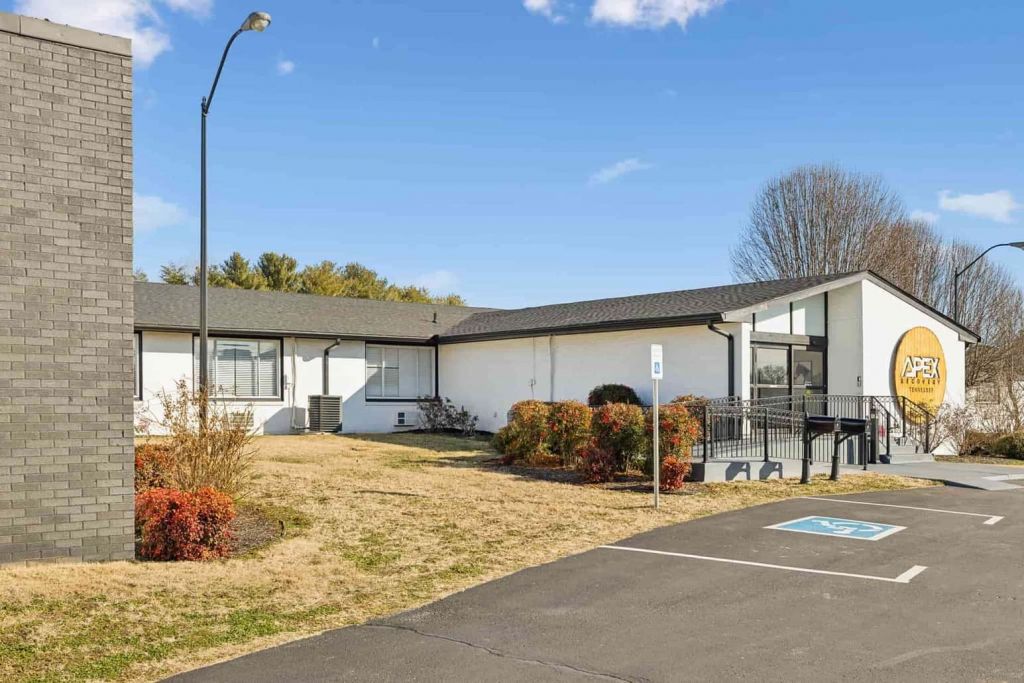
Finding the right kratom rehab center that accepts insurance in Tennessee can make getting professional care for yourself or a loved one much simpler. The Volunteer State offers several drug addiction treatment options where insurance is accepted, making support more available for those who need it. Our Apex Recovery facilities are known for their welcoming environments that prioritize comfort and healing, creating a space where recovery feels possible. With expert care from compassionate professionals and convenient locations in Brentwood and Columbia, we make accessing quality treatment easier for those seeking dedicated support for kratom dependency.
- Apex Recovery Brentwood: 209 Ward Circle, Brentwood TN, 37027
- Apex Recovery Columbia: 2710 Trotwood Ave STE A & B Columbia, TN 38401
Fill in the form below to request a call back from Apex Recovery Tennessee
Types of Insurance Plans That May Cover Kratom Addiction Treatment
Various types of medical insurance plans may cover kratom addiction treatment in Tennessee, providing you with financial support to access necessary, life-changing care. Clarifying which plan you have can allow you to begin your recovery process with confidence.
- Private Health Insurance: Offers comprehensive coverage for addiction treatment, including kratom rehab, with varying benefits based on your chosen policy.
- PPO Plans: Provide flexibility to seek treatment from providers both in and out of the insurance network, potentially including kratom recovery centers near you.
- HMO Plans: Typically require your rehab treatment to be undertaken within a specific network but can cover kratom addiction rehab at approved facilities.
- POS Plans: Combine HMO and PPO features, granting limited out-of-network coverage with referrals for kratom addiction treatment services.
- Employer Group Plans: Often include addiction recovery benefits, with options for employees needing kratom rehab services under their workplace health plans.
Health Insurance Providers That Cover Kratom Use Disorder Rehab in Tennessee
Some of the leading health insurance providers, like Ambetter, Cigna, Blue Cross Blue Shield, and United Healthcare, offer coverage for kratom use disorder rehab in Tennessee. These companies offer a variety of plans, making it easier to find options that support recovery.
Other insurers, including Aetna, Humana, Anthem, Bright Health, and Molina Healthcare, also provide kratom treatment insurance help in Tennessee. These plans may offer inpatient rehab insurance, outpatient addiction treatment coverage, or detox program insurance coverage, giving you plenty of choices to get the support you need.
Beyond that, options like Tricare, Wellcare, Oscar Health, Amerigroup, and Medicaid are also available for those seeking kratom rehab insurance plans. Each policy will have its own set of benefits, so it’s important to check your details to see what’s covered and how you can make the most of it.
How Much Does Kratom Rehab Cost in Tennessee Without Health Insurance?
The cost of inpatient residential kratom rehab in Tennessee without health insurance typically ranges from $6,000 to $30,000 per month. This breaks down to approximately $200 to $1,000 per day, depending on the program’s length, services, and amenities.
The cost of outpatient kratom rehab without health insurance may be more affordable, with monthly fees ranging from $2,000 to $10,000. This averages to about $70 to $334 per day, providing a flexible option for those seeking addiction treatment while balancing personal or work responsibilities.
Health insurance may cover a portion of addiction treatment costs, and Apex Recovery Tennessee is here to help determine your coverage. If you don’t have insurance, we can discuss treatment needs and private pay options to design a plan that works for you. Contact us today at (877) 881 2689 to explore your choices. We want to help you make a fresh start.

Check Your Coverage for
kratom Addiction Rehab
At Apex Recovery, we’re here to make the process of seeking help as stress-free as possible. Our insurance-covered kratom rehabilitation services in Tennessee are designed to be accessible to you, and we’re happy to check your coverage levels on your behalf. Reach out now - we’ll guide you every step of the way.
Types of Kratom Addiction Treatment Services Covered by Health insurance
Understanding the variety of kratom addiction treatment services covered by health insurance in Tennessee can help you find the specific care you require. From detox and therapy to relapse prevention strategies, kratom rehab centres can provide comprehensive assistance that supports each stage of your recovery process.
Medical Detox Services for Herbal Opioid Withdrawal
Medical detox is often the initial stage of kratom addiction recovery, focusing on helping your body safely process withdrawal symptoms under medical supervision. Detox for kratom in Tennessee provides the foundation for further rehab treatment by addressing your physical dependency in a controlled and supportive environment.
At Apex Recovery, we offer medical detox programs that provide 24/7 support during this critical phase of your recovery. Our team is dedicated to helping you stabilize physically and emotionally as you prepare to move forward in your kratom treatment process.
Inpatient Rehab for Psychoactive Botanical Substance Dependence
When recovery needs are intensive, inpatient rehab provides a structured, secure environment to address the complexities of kratom addiction. Residential programs typically include individual therapy, group sessions, and skill-building activities, all designed to promote long-term sobriety.
Inpatient kratom rehab services in Tennessee focus on providing the highest level of care to support both your physical and psychological healing. By addressing the root causes of dependence, live-in addiction treatment can prepare you for successful, lasting recovery in a setting free from outside distractions and triggers.
Day Treatment for Natural Opioid-Like Compound Abuse
Day treatment, also known as partial hospitalization, offers a balance between structured therapy and the flexibility to return home in the evenings. PHPs generally focus on therapy, education, and recovery planning, helping you to transition toward a healthier life.
We provide individualized day treatment plans at Apex Recovery to meet your specific needs and schedule. Offering intensive care without the commitment of residential rehab, our partial hospitalization program creates an effective path forward while allowing you to maintain other responsibilities.
Outpatient Recovery for Plant-Based Stimulant Misuse
Outpatient programs for kratom addiction can be suitable for those who need consistent therapy and guidance but do not require full-time care. They often include counseling, peer support, and relapse prevention training to help you stay on track with your unique recovery goals.
Outpatient services in Tennessee give you the flexibility to manage your everyday life while still prioritizing your recovery. With a focus on maintaining progress and building accountability, outpatient programs can provide vital tools for sustained sobriety and a healthy, balanced life.
Behavioral Therapy for Plant-Derived Psychoactive Substance Use
Behavioral therapy is a key component of addressing drug addiction, focusing on identifying and changing harmful patterns of thought and behavior. Methods like cognitive-behavioral therapy (CBT) can help you to develop healthier coping mechanisms to reduce risks of relapse.
At Apex Recovery, behavioral therapy is a core part of our comprehensive care plans. Designed to help you confront challenges and reshape behaviors, our approach empowers you to make meaningful changes toward long-term well-being. Contact us to discover how using your health insurance for behavioral therapy in Tennessee can benefit you.
Integrated Mental Health Support for Dual Diagnosis Clients
Mental health struggles and addiction often exist together, making integrated care essential. Dual diagnosis programs are designed to treat both concerns at the same time, promoting better outcomes and overall wellness through simultaneous treatment.
Integrated programs for dual diagnosis offer you a path to address your mental health challenges and kratom dependency comprehensively. By doing so, they can hugely enhance your recovery efforts and provide stability in all areas of your life during and after drug addiction treatment in Tennessee.
Medication Management for Withdrawal and Mood Imbalance
Withdrawal symptoms and mood disorders can be effectively managed through tailored medication-assisted treatment plans. This approach helps reduce cravings, ease discomfort, and provide emotional stability throughout the kratom rehab process.
Apex Recovery Tennessee can incorporate medication management for kratom withdrawal into our care to support you in dealing with physical and emotional difficulties during detox. Our expert team works with you at all times to customize this aspect of your treatment for optimal outcomes.
Long-Term Recovery Planning and Relapse Prevention Strategies
Building a sustainable recovery requires preparation and devising realistic strategies for lasting success. Long-term recovery efforts often include making actionable relapse prevention plans, connecting you with nearby kratom addiction support systems in Tennessee, and engaging in ongoing therapy to maintain sobriety.
At Apex Recovery, we collaborate with you to develop an effective recovery plan tailored to your life. From aftercare programs to continued access to our compassionate staff, we offer caring, supportive resources to help you sustain your progress well beyond initial kratom rehab treatment.
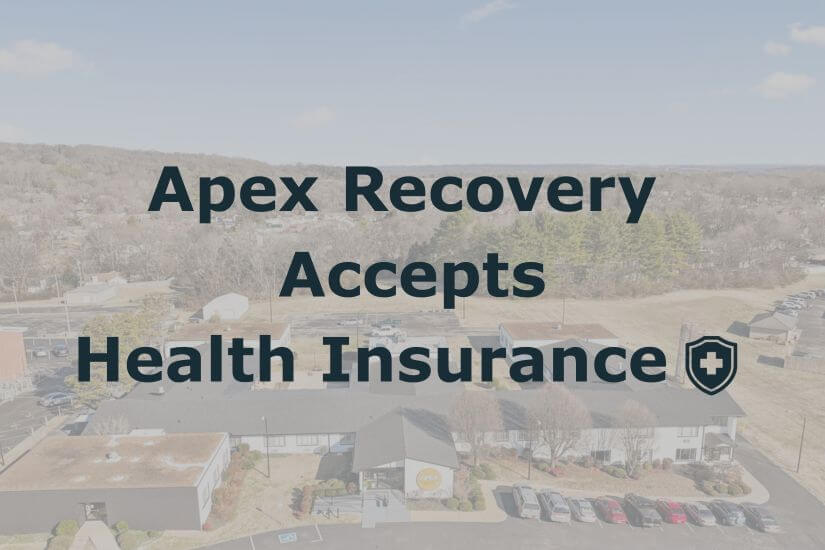
Apex Recovery accepts health insurance for kratom addiction rehab. Contact us to check your coverage levels and discuss your treatment needs.
Getting Health Insurance to Pay for Kratom Addiction Treatment
Understanding how health insurance can cover kratom addiction treatment is a critical step in arranging your care. Start by carefully reviewing your health insurance policy to determine any benefits related to kratom rehab treatment and behavioral health coverage. Look for details such as services covered, pre-authorization requirements, and any limits that may be in place. Taking note of these specifics can help you streamline the process.
Once you’ve examined your policy, reach out to your health insurance provider to confirm the details. Ask about any necessary approvals, authorizations and costs you might need to handle. For additional support, contact us at Apex Recovery. We can help verify your benefits and guide you through each step. Call us at (877) 881 2689 to make the process simpler and focus on starting your recovery. You are not alone.
Insurance Coverage FAQs for Kratom Treatment
Most health plans cover kratom treatment, but what you pay, how the claim is coded, and what paperwork gets it approved vary more than most individuals expect. Have a look over the answers below covering those mechanics across carriers.
How Is Kratom Dependence Coded for Insurance Billing?
Usually as an “other psychoactive substance” use disorder rather than an opioid use disorder. Kratom has no diagnosis code of its own, and hospital coding guidance on kratom withdrawal points to the other psychoactive substance category rather than the opioid codes, even though the alkaloids act on opioid receptors.
That distinction matters in one place. Some plans write medication criteria around an opioid use disorder diagnosis, so buprenorphine for kratom withdrawal can draw questions an opioid case would not. Clear documentation of opioid-type withdrawal is what carries the request, which is why the clinical notes behind a kratom claim matter more than the code itself. Cigna kratom coverage and the other carrier pages cover how each plan handles it.
What Will You Actually Pay Out of Pocket?
Your deductible first, then a share of each bill until you hit your out-of-pocket maximum, after which the plan pays in full for the rest of the plan year. For most kratom admissions that ceiling, not the deductible, is the number to plan around.
The reason is scale. A 30-day residential stay runs $6,000 to $30,000 self-pay, so a residential admission often reaches the maximum in a single stay, while an outpatient course may never reach it. In-network care counts toward a lower maximum than out-of-network care, and some plans do not cover out-of-network treatment at all. Run your own figures through the rehab cost calculator before you choose a level of care on price alone.
Does Insurance Cover 7-OH Extract Addiction the Same as Leaf Kratom?
Yes. Insurance covers the substance use disorder, not the product, so dependence on concentrated 7-hydroxymitragynine tablets is covered on the same basis as leaf kratom. What often differs is the level of care approved. 7-OH extract dependence tends to produce heavier withdrawal and more readily supports inpatient kratom detox than occasional leaf use does.
What Documents Does Insurance Need to Approve Kratom Detox?
Mostly clinical records your treatment team produces rather than paperwork you supply. A typical pre-authorization request includes:
- A diagnostic assessment recording the substance, amount, frequency, and date of last use
- A withdrawal severity score and vital signs at intake
- Medical and psychiatric history, including any co-occurring condition
- Previous treatment attempts and how they ended
- An assessment of your home environment and support network
- The level of care requested and the clinical reasoning for it
From you, the admissions team needs only your insurance card, date of birth, and an honest account of your use. Distinguishing leaf kratom from 7-OH extract products on that first call makes a real difference to what gets approved.
What Happens if Your Kratom Rehab Claim Is Denied?
You appeal, and the process is set by federal rules rather than by your carrier. You can request a peer-to-peer review between physicians, file an internal appeal within 180 days, and take the decision to an independent external reviewer if that fails. The Aetna kratom coverage page walks through each step and its deadlines, and the same sequence applies whichever carrier you hold.
Statistics on Kratom Use Disorder and Addiction Treatment in Tennessee
- Among long-term kratom consumers, 63.5% met the lifetime criteria for Kratom Use Disorder (KUD), with 33.2% classified as mild, 19.7% as moderate, and 10.6% as severe.
- An estimated 2.1 million U.S. residents used kratom in 2020, with up to 20% of users reporting symptoms consistent with kratom use disorder.
- From 2021 to 2023, more than 2,000 fatal kratom-related overdoses were recorded across forty reporting states and Washington, D.C.
- In a study of 395 Kratom users, withdrawal symptoms were reported by 43.2% of participants, with the most common being craving, low energy, irritability, fatigue, and anxiety.
- Tennessee law prohibits the sale of kratom products to individuals under 21 years of age and mandates that products must be labeled and in their natural form.
- In 2021, an estimated 0.6% of Americans aged 12 or older, approximately 1.7 million people, reported using kratom in the past year.