At Apex Recovery, we are committed to providing high-quality support for individuals on their journey to recovery. We accept health insurance from most major providers, including Aetna, Ambetter, Cigna, Blue Cross Blue Shield, United Healthcare, and more, while also offering private pay options. With expertise in drug and alcohol addiction treatment, aftercare, transitional living, and sober living homes, Apex Recovery stands out as a leading provider of substance misuse recovery treatment. We offer long-term residential rehab, 24/7 clinical support, and personalized programs designed to fit your unique needs. Our evidence-based treatments are complemented by a well-rounded approach to recovery, all within clean, modern addiction recovery facilities that feel like home.
If you’re ready to explore your options for health insurance coverage for Apex Addiction Recovery sober living support, call us at (877) 881 2689 and our caring team is here to help you. Contact us today to learn more about how we can support your abstinence goals. From understanding insurance benefits to discussing tailored treatment plans, we’re committed to guiding you every step of the way. Your recovery starts here.
What Is Sober Living (Recovery Housing)?
Sober living, sometimes referred to as recovery housing, provides a supportive and structured environment for patients transitioning from addiction treatment back to everyday life. Recovery homes promote accountability, encourage sobriety, and offer a safe, substance-free space for residents to rebuild their lives while improving their personal growth.
Supportive housing offers a stable, home-like setting, helping individuals smoothly adapt to life after treatment. Recovery-focused living programs emphasize independence while maintaining access to peer support, guidance, and resources essential for long-term success.
Difference Between Sober Living and Recovery Housing
Though the terms “sober living” and “recovery housing” are used interchangeably by many, there can be slight distinctions in their interpretation. Sober living typically refers to homes where people maintain a structured, substance-free lifestyle post-treatment. Recovery housing, on the other hand, emphasizes broader community-based support, integrating treatment services like peer mentoring or transitional resources alongside housing.
For the purposes of this discussion, we will use both “sober living” and “recovery housing” to describe the same concept. No matter the terminology, supportive environments play a critical role in bridging the gap between formal treatment and a return to independent living, offering individuals the structure and accountability crucial for long-term success.
How to Find sober living homes Near Me That Take Health Insurance
Finding sober living homes that accept insurance is a crucial step in making recovery more accessible and affordable. By leveraging your insurance benefits, you can reduce financial barriers and focus on your healing process. Here’s how you can identify the right options for you:
- Check Your Health Insurance Coverage: Start by reviewing your insurance policy or contacting your provider to understand your health benefits. Confirm whether sober living services are covered and learn about any specific requirements or limitations tied to your insurance plan.
- Search for Accredited Sober Living Homes: Look for accredited facilities that meet rigorous care standards. Recovery homes are often more likely to accept insurance and provide high-quality transitional living programs designed to support long-term recovery.
- Evaluate Services and Specialties: Take the time to assess the sober living home’s services and areas of expertise. Make sure that they offer programs that align with your individual recovery goals, such as mental health support or substance-specific treatment.
- Contact Apex Recovery Center Directly: At Apex Alcohol and Drug Recovery, we simplify the process by helping you find a sober living home that accepts your insurance and fits your needs. Contact us today for personalized guidance and support every step of the way.
Does Health Insurance Cover Sober Living?
Yes, health insurance can cover specific clinical services (such as outpatient therapy or medication management) as part of a sober living environment, but the extent of coverage depends on your insurance provider and specific healthcare plan. Insurance coverage for sober living may also have limitations. It’s essential to thoroughly understand your policy and what it covers for sober living care.
To find out about your coverage levels, contact Apex Recovery today at (877) 881 2689. Our team of professionals will help you understand your insurance benefits and explore how they align with our sober living support. We’re committed to helping you on every step of your recovery path, making sure that you get the care you need without any added financial stress.


Contact Apex Recovery Tennessee to check your insurance coverage levels and discuss your treatment needs.
Health Insurance Providers That May Cover Transitional Living in Tennessee
Health insurance providers such as Ambetter, Cigna, Blue Cross Blue Shield, and United Healthcare may offer coverage for transitional living in Tennessee. Whether you’re just starting your recovery or continuing your rehabilitation, insurance providers can support you by covering certain aspects of your care, depending on your healthcare plan.
Other insurance providers such as Humana, Aetna, Molina Healthcare, Magellan Health, Amerigroup, and WellCare also offer coverage for rehab services in the Volunteer State. To understand more about your specific health benefits and how they apply to transitional living, reach out to Apex Addiction Recovery. Our qualified team is here to help you access the care and support you need during this important phase of recovery.
Popular Cities in the Volunteer State for Sober Living Homes
Tennessee is home to many cities offering sober living housing options, making it easier for residents to find the support they need. Popular locations include Nashville, Memphis, Knoxville, Chattanooga, Clarksville, Murfreesboro, Franklin, and other communities throughout the Volunteer State. Each of these cities provides unique opportunities for each person on their own recovery journeys.
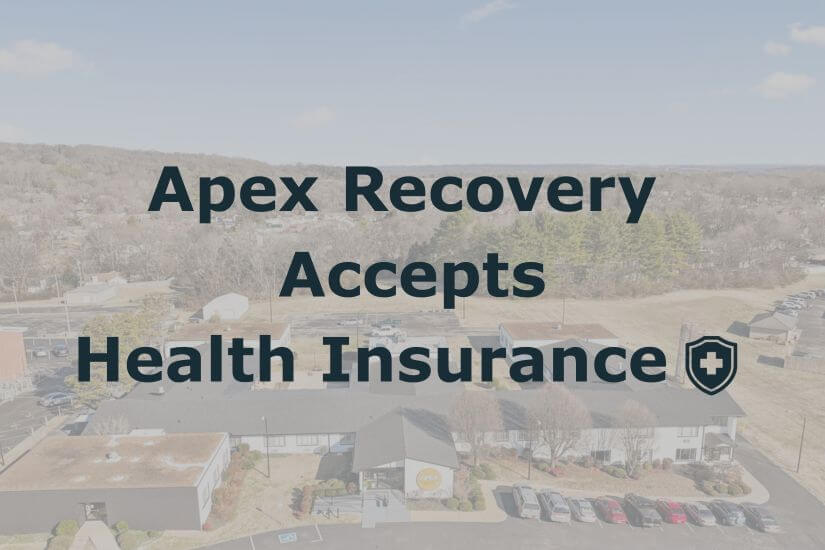
Apex Drug and Alcohol Recovery operates two premier addiction treatment facilities in the Volunteer State. The Brentwood location, situated near Nashville, provides convenient access to metropolitan amenities, while the Columbia facility offers a tranquil and peaceful setting for those who prefer a peaceful recovery environment. Both of the rehab facilities are designed to support individuals as they transition to independent, substance-free living.
If you or a loved one are seeking a sober living home, contact us at Apex Alcohol and Drug Recovery. Our dedicated team is here to discuss your needs, explore treatment options, and guide you toward a tailored solution that works best for you. Your path to a healthier, happier tomorrow starts today with Apex Recovery, and we can support you on your journey.
Sober Living Homes in Tennessee That Accept Health Insurance
Apex Recovery provides access to well-rounded aftercare programs and transitional living options. Addiction treatment programs are adapted to help each person transition back to independent living while maintaining their stability and focus. Apex Recovery’s Tennessee locations accept health insurance, making quality care more accessible.
- Apex Recovery Brentwood: 209 Ward Circle, Brentwood TN, 37027
- Apex Recovery Columbia: 2710 Trotwood Ave STE A & B Columbia, TN 38401
Fill in the form below to request a call back from Apex Recovery Tennessee
How to Pay for Sober Living Homes if you Don’t Have Insurance Coverage
Affording sober living homes without insurance coverage can feel challenging, but there are multiple ways to make it more achievable. Exploring financial options like sliding scale fees, grants, and support from loved ones can help reduce the burden and ensure access to the right recovery environment.
- Out-of-pocket payment or private pay: Paying directly allows you to choose an addiction recovery facility that aligns with your needs and preferences. Though this may require careful financial planning, it provides flexibility in selecting the best option for your situation.
- Sliding scale fees and income-based discounts: Many sober living homes offer sliding scale fees, adjusting costs based on your income. An approach like this makes it certain that individuals with limited financial resources can access supportive living arrangements at a more affordable rate.
- Payment plans offered by the facility: Some drug and alcohol rehab facilities provide payment plans, allowing you to spread the cost into manageable installments. This payment option reduces the immediate financial strain and makes sure that recovery remains within reach.
- Grants, scholarships, and nonprofit assistance: Certain organizations and nonprofits offer financial aid, grants, or scholarships specifically for sober living. Such resources can significantly lower out-of-pocket costs and make recovery more accessible.
- Support from family, friends, or employer assistance programs (EAPs): Reaching out to trusted family members, friends, or workplace EAPs can provide additional financial support. Networks often want to help and can ease the overall financial burden of sober living.
Average Cost of Sober Living in Tennessee Without Health Insurance
The cost of sober living in Tennessee without health insurance typically ranges from $300 to $2,000 per month, which works out to approximately $10 to $65 per day. Premium sober living homes with extensive amenities, such as private rooms and on-site wellness facilities, may fall on the higher end of this range.
Health insurance may help cover some of the clinical treatment parts of these costs. To learn more about your coverage options and determine if your health plan includes sober living accommodations, contact Apex Recovery. Our team of professionals can guide you through the process and answer any insurance-related questions you may have.
If you don’t have health insurance, Apex Addiction Recovery is here to assist you as well. Contact us today to discuss your treatment needs and explore private pay options that work best for your situation. We’re committed to helping you find a solution tailored to your recovery goals.

Check Your Coverage for sober living support
Apex Drug and Alcohol Recovery is dedicated to making the recovery process as seamless as possible for you. We offer transitional living support and can check your health insurance coverage levels on your behalf. By letting us handle the details, you can focus on your recovery with confidence that your needs are being met.
Types of Sober Living Arrangements For Addiction Recovery
Sober living arrangements are designed to cater to a wide range of recovery needs and personal preferences. Recovery living options can vary from highly structured environments with enforced rules and curfews to more independent settings that promote self-reliance. Each type provides unique benefits, as explored in the following subheadings.
Standard and Structured Sober Living Homes
Standard and structured sober living homes provide a stable environment where individuals in recovery can rebuild their lives with clear direction and support. Structured homes operate with defined rules, including curfews, mandatory house meetings, and substance-free living requirements. This standard approach makes sure of accountability, improving habits that promote long-term sobriety.
Focused on gradual reintegration into daily life, structured sober living homes help residents establish a routine that balances personal recovery, work, and social interactions. Treatment programs in these living homes often include life skills training, goal-setting support, and group therapy, aiming to strengthen each resident’s sense of responsibility and independence.
Halfway Houses and Transitional Housing
Halfway houses and transitional housing in Tennessee bridge the gap between inpatient treatment and independent living. Supportive living environments provide an affordable recovery option with a supportive framework designed to help residents regain stability. Typically, residents have access to resources like counseling, employment services, and skills training.
Communal living arrangements emphasize personal growth and rebuilding life skills. Individuals are often encouraged to work, volunteer, or attend educational programs while living in a supportive environment. The ultimate goal is to prepare people for a smooth transition into a self-sufficient, sober lifestyle.
Gender-Specific and Co-Ed Sober Living
Gender-specific sober living homes accommodate the unique needs of men or women in recovery. This focused approach addresses specific challenges, encourages a sense of community among peers with shared experiences, and minimizes distractions. Co-ed homes often include treatment services that are tailored for gender-specific issues, such as group discussions on parenting or overcoming societal pressures.
Co-ed sober living homes, on the other hand, offer an inclusive environment where individuals can interact with a diverse community. Residents in co-ed homes benefit from a balanced social setting, which can enhance communication skills and broaden perspectives while maintaining a shared commitment to sobriety.
Faith-Based and Peer-Run Recovery Residences
Faith-based recovery residences integrate spiritual practices into the recovery process. This supportive living arrangement encourages residents to deepen their spiritual connections, often through guided prayer, meditation, or religious services. Such settings can provide comfort and a grounded sense of purpose during recovery.
Peer-run recovery residences focus on community-driven accountability and support. Residents manage daily operations together, sharing responsibilities and experiences. This collaborative approach creates a strong sense of camaraderie and mutual encouragement, empowering individuals to stay on the path to sobriety.
Luxury and Outpatient-Supported Sober Living
Luxury sober living homes offer high-end amenities such as private accommodations, on-site wellness programs, and catered meals. Upscale residences combine comfort with personalized care, making them an appealing choice for those who value privacy and premium services during their recovery journey.
Outpatient-supported sober living homes in Tennessee blend independent living with ongoing access to treatment services like therapy, counseling, and group sessions. This setup is ideal for those who desire the flexibility to resume work or education while still benefiting from professional guidance tailored to their recovery needs.
Apex Recovery accepts health insurance for ketamine addiction rehab. Contact us to check your coverage levels and discuss your treatment needs.
Getting Health Insurance to Pay for Addiction Recovery Housing
Understanding your health insurance policy is a crucial first step in determining coverage for addiction recovery housing in Tennessee. Review your health benefits thoroughly to identify what treatment services are covered, along with any restrictions like in-network providers or required pre-authorizations. Being aware of these important details can help you avoid unexpected costs and allow a smoother recovery process.
Contact Apex Addiction Recovery at (877) 881 2689 and we can provide personalized guidance. Our dedicated team is here to simplify the process, helping you explore insurance options and connecting you with recovery housing that meets your needs. Additionally, you can contact your health insurance provider directly to ask about specific coverage for recovery housing. They can explain your health benefits, what’s covered, and address any questions you may have.
Statistics on Sober Living and Transitional Housing in Tennessee
- Tennessee’s Department of Mental Health and Substance Abuse Services regulates Alcohol and Drug Halfway House Treatment Facilities.
- Oxford Houses in Tennessee, a self-supported recovery housing model, have expanded to over 80 locations.
- Many outpatient programs across Tennessee support step-down care for individuals transitioning into sober living, making continuity of care more accessible.
- Over 3,200 people experienced homelessness in Nashville in January 2025. Many of these individuals face co-occurring substance use disorders and need access to stable recovery housing like sober living.
- Returning to unstable or substance-affected housing increases risk of relapse. Stable sober living environments are essential for transitioning successfully from treatment to independent life.