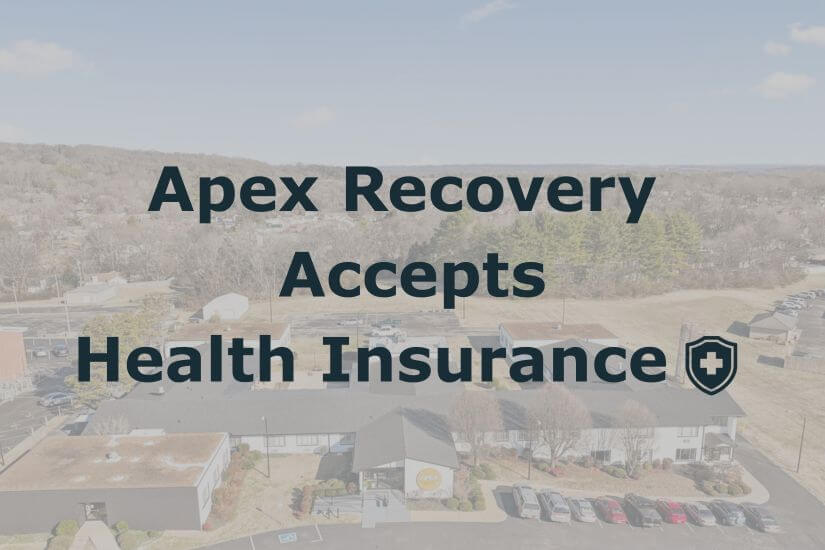
Apex Recovery is a trusted name in addiction therapy and counseling, offering specialized care for individuals looking to start their recovery journey. What sets Apex Addiction Recovery apart is its commitment to accessibility and quality. Our drug and alcohol rehab centers accept health insurance from a wide range of most major providers, including Aetna, Ambetter, Cigna, Blue Cross Blue Shield, United Healthcare, Humana, and others. For those without insurance, Apex Recovery can work with you to create an affordable, customized treatment program. Whether you need drug addiction therapy, alcohol addiction therapy, inpatient or outpatient care, we provide 24/7 clinical support, allowing you to have access to licensed, accredited therapists with years of expertise. With evidence-based treatments, holistic therapy options, and tailored programs designed to suit specific needs, our two premium, modern substance addiction treatment facilities provide a luxurious environment, offering unmatched care. We are also conveniently located near Nashville, Memphis, Knoxville, Clarksville, Murfreesboro, and other key cities in Tennessee.
If you’re ready to take the next step toward recovery, contact us today at (877) 881 2689. Our experienced team is available to provide more information about addiction therapy and counseling insurance coverage as well as costs. We’re here to guide you through creating a treatment plan that aligns with your needs. Take the first step in transforming your life with Apex Recovery.
What is Addiction Therapy?
Addiction therapy is a structured treatment program aimed at helping those who are overcoming substance use disorders. It addresses both the physical dependency on substances and the psychological struggles that often accompany addiction. By focusing on these two aspects, addiction therapy provides a comprehensive approach to recovery, guiding individuals toward a healthier, substance-free life.
There are various approaches within addiction therapy tailored to meet specific needs. This includes counseling sessions, behavioral therapies like cognitive-behavioral therapy (CBT), and holistic methods such as mindfulness practices and wellness programs. Together, the approaches work to build coping skills, address underlying issues, and support long-term recovery.

Contact Apex Recovery Tennessee to check your insurance coverage levels and discuss your treatment needs.
Does Insurance Cover Drug and Alcohol Addiction Therapy in Tennessee?
Yes, insurance does often provide coverage for drug and alcohol addiction therapy, but the extent of coverage can vary depending on the provider and specific plan. Apex Recovery accepts a wide range of most major insurance providers, making it easier for those to access the substance abuse therapy and counseling they need.
Coverage through insurance plans can typically include inpatient care, outpatient services, counseling sessions, and medication-assisted treatment. Apex Addiction Recovery works closely with insurance providers to help individuals utilize their behavioral health benefits while receiving high-quality care.
To confirm your insurance coverage and explore personalized treatment options, contact Apex Recovery at (877) 881 2689. Our qualified team is ready to assist you in understanding your insurance benefits and beginning your recovery journey.
Addiction Therapy Centers in Tennessee That Accept Insurance
Apex Recovery is a premium addiction treatment facility in Tennessee that provides exceptional addiction therapy and counseling care tailored to each person’s recovery needs. Whether you’re looking for residential treatment or outpatient services, we offer flexible solutions designed for long-term success. Our drug and alcohol rehab centers accept insurance, making high-quality addiction therapy accessible to those in need.
- Apex Recovery Brentwood: 209 Ward Circle, Brentwood TN, 37027
- Apex Recovery Columbia: 2710 Trotwood Ave STE A & B Columbia, TN 38401
Fill in the form below to request a call back from Apex Recovery Tennessee
Does Insurance Cover Inpatient Substance Abuse Counselling in Tennessee?
Yes, insurance does typically cover inpatient addiction therapies in Tennessee. However, the extent of coverage often varies based on the specific insurance plan. Elements such as amenities, specialized rehab treatments, or extended stays may not always be fully covered, so reviewing your policy details is crucial for understanding your health benefits.
To fully explore your options, contact Apex Recovery today at (877) 881 2689. Our experienced team can help verify your insurance coverage levels and provide personalized guidance on available treatment plans. Taking this step can allow for a smoother path to accessing effective, thorough care.
Does Insurance Cover Outpatient Substance Abuse Counselling in Tennessee?
Yes, health insurance may cover outpatient addiction therapies in Tennessee. Coverage levels can differ widely based on the specifics of your insurance plan. Specialized services like extended therapy sessions or unique substance abuse treatment programs may not be fully included, so it’s important to carefully review your policy to understand what’s available.
To explore your options, contact us today and our friendly team can help verify your insurance coverage levels and provide guidance tailored to your treatment needs. Taking this step ensures you can access outpatient services without unexpected financial hurdles.
Does Insurance Cover Addiction and Mental Health Therapy in Tennessee?
Yes, insurance does frequently cover dual diagnosis treatment, which effectively addresses both addiction and mental health issues through combined care. However, additional elements like specialized therapies, extended care, or alternative treatments may vary depending on the details of your insurance plan. It’s important to review your policy to understand the extent of your coverage.
To gain clarity, call us today at (877) 881 2689 to verify your insurance coverage levels. Our team of professionals can guide you through your options and help tailor an addiction or mental health treatment plan suited to your needs. Taking this proactive step guarantees a smooth access to thorough care for your recovery.
Insurance Providers That May Cover Substance Abuse Therapy
Most insurance providers offer some degree of coverage for substance abuse recovery. This typically includes inpatient and outpatient care, counseling sessions, and medication-assisted treatment. However, the extent of coverage depends on the specific insurance plan, so it is important to review individual policies to understand the health benefits.
Some major insurance providers in Tennessee include Aetna, Blue Cross Blue Shield, Cigna, United Healthcare, and Humana. Health insurance companies support addiction recovery by offering diverse plans that include both mental health and substance abuse treatment, helping every person be able to gain access to a range of necessary recovery services.

Drug and Alcohol Therapy and Counseling Services in Tennessee
Tennessee provides a range of drug and alcohol therapy and counseling services to meet various recovery needs. Some addiction therapy centers accept insurance, while others lean towards private pay options. From Nashville and Memphis to Knoxville, Chattanooga, Clarksville, and Murfreesboro, residents have access to professional support throughout the state.
Apex Recovery offers flexible payment solutions, accepting most insurance plans and providing private pay options for those without coverage. To learn more about our personalized treatment programs and payment options, call us today at (877) 881 2689. Our friendly team is ready to help you explore the best path to recovery.
Check Your Coverage for Addiction Recovery Programs
Apex Recovery offers free addiction assessments, making it easier for individuals to take the first step toward recovery. Our supportive team is ready to provide the guidance and support needed to help you begin your journey to a healthier, addiction-free life.
With a focus on personalized care, we design drug and alcohol addiction treatment programs to suit each person’s unique needs. We also provide accurate pricing for therapy and counseling rehab programs, ensuring transparency and ease in planning your recovery. Contact us today for expert assistance and start your path to healing.
Types of Addiction Therapies in Tennessee That May Be Covered by Insurance
Addiction therapy options in Tennessee are designed to address the distinct recovery needs of each individual, offering personalized support throughout the healing process. Many of these therapies may be covered by insurance plans, depending on the provider and policy details. Below are some of the common types of addiction therapies available, offering evidence-based outcomes and holistic approaches to support long-term recovery. However, this list is not exhaustive and serves as an introduction to some of the most commonly utilized therapies.
Individual and Group Counseling for Addiction Recovery Support
Individual and group counseling are vital elements of addiction recovery. They provide tailored support to each person, addressing the root causes of addiction while guiding them in developing healthy coping mechanisms. Group settings also offer individuals the opportunity to share experiences and learn from peers, encouraging a sense of community and mutual encouragement.
The counseling services are frequently included in insurance plans for addiction recovery, though coverage levels vary based on the provider and individual policy details. To make sure every person has access to these beneficial treatment programs, it is important to verify coverage with your insurance provider.
CBT and DBT for Addiction and Behavior Change
Cognitive Behavioral Therapy (CBT) and Dialectical Behavior Therapy (DBT) are proven, evidence-based methods widely utilized in addiction treatment. CBT works by helping those identify and alter negative thought patterns that drive addictive behaviors. Meanwhile, DBT focuses on emotional regulation, mindfulness, and developing critical coping strategies to handle stress and triggers effectively.
Both CBT and DBT are often included in insurance coverage as essential components of comprehensive addiction therapy programs. Despite this, the extent of coverage can vary based on the insurance provider and specific plan details.
Motivational Interviewing and Relapse Prevention Techniques
Motivational Interviewing (MI) is a client-centered counseling technique that empowers individuals to find their own motivation for overcoming addictive behaviors. By encouraging empathy and collaboration, MI helps people to explore their goals and resolve ambivalence about change. Relapse prevention techniques complement MI by identifying potential triggers and developing strategies to maintain long-term sobriety.
Relapse prevention strategies and motivational interviewing are typically covered by insurance as part of all-inclusive addiction treatment programs. The amount of coverage, however, differs depending on the insurance company and the details of each plan.
Trauma-Informed Therapy and Dual Diagnosis Treatment Programs
Trauma-informed therapy emphasizes understanding how past trauma influences addiction. It creates a safe environment for those to process their experiences while building resilience and recovery skills. Dual diagnosis treatment addresses the complex interplay between co-occurring mental health conditions and substance use disorders by offering integrated care tailored to specific needs.
Trauma-informed therapy and dual diagnosis treatment are commonly covered under many insurance plans as components of comprehensive addiction treatment programs. Nonetheless, coverage can vary based on the insurer and policy terms. Verifying benefits in advance helps ensure individuals can access these important services without added financial stress.
12-Step Facilitation and Faith-Based Counseling Options
12-Step Facilitation is a structured program guided by the principles of Alcoholics Anonymous that emphasizes peer support, accountability, and personal responsibility in the recovery process. Faith-based counseling combines spiritual or religious beliefs into therapy, providing a more holistic path to healing by addressing emotional, physical, and spiritual well-being.
Both 12-Step Facilitation and faith-based counseling options are frequently included in insurance coverage for addiction recovery. However, coverage varies widely depending on the insurance provider and individual policy.
Family Therapy and Support for Addiction Recovery
Family therapy involves engaging family members in the recovery process to address relationship dynamics and communication challenges. By improving the understanding and empathy, it helps families recognize the impacts of addiction and develop strategies to create a supportive environment for their loved ones to navigate treatment.
Family therapy is typically included in insurance coverage as part of detailed addiction recovery programs. Although, the extent of coverage can vary based on the insurance provider and specific plan details.
Outpatient, IOP, and PHP Therapy Services
Outpatient, Intensive Outpatient Programs (IOP), and Partial Hospitalization Programs (PHP) provide essential flexibility in addiction treatment. The outpatient treatment programs offer different levels of care, allowing those to pursue therapy while continuing daily activities such as work, school, or family responsibilities. Each option is tailored to meet varying recovery needs without requiring full residential treatment.
Many insurance plans cover outpatient, IOP, and PHP therapy services as part of comprehensive addiction care. However, the extent of coverage varies based on the provider and individual policy.
Teletherapy and Holistic Addiction Treatment Approaches
Teletherapy provides convenient, remote access to addiction treatment through virtual sessions, making it easier for individuals to connect with licensed therapists from anywhere. Holistic approaches, on the other hand, integrate practices like yoga, meditation, and nutrition to create a comprehensive recovery plan that nurtures the mind, body, and spirit.
Since the pandemic, teletherapy has become more widely covered by insurance, offering greater flexibility and access to behavioral health care. In contrast, coverage for holistic therapies remains inconsistent, often depending on the specific insurer and plan details.
Typical Qualifications of a Therapist
Therapists specializing in addiction treatment bring a wide range of knowledge and expertise to help those on their recovery journey. The qualifications guarantee they can address the complex challenges of substance use disorders with professionalism, empathy, and evidence-based methods. Below are the typical qualifications these professionals possess:
- Degree in counseling, psychology, or a related field: Therapists complete higher education to understand human behavior and therapeutic techniques essential for addiction treatment.
- State license to practice therapy (e.g., LPC, LCSW): Licensure makes sure that therapists meet professional standards and are authorized to provide clinical care in their state.
- Certification in addiction counseling (e.g., CADC, LADAC): Specialized certifications equip therapists with advanced knowledge of substance abuse and addiction recovery processes.
- Supervised clinical experience in substance abuse treatment: Hands-on, supervised practice prepares therapists to face real-world addiction challenges with confidence and skill.
- Training in evidence-based therapies like CBT or DBT: Therapists are trained in proven methods to treat substance use disorders and support long-term recovery efforts.
Common Holistic Therapies at a Drug and Alcohol Rehab Facility
Holistic therapies play a crucial role in complementing traditional addiction treatments by addressing the physical, emotional, and spiritual well-being of individuals. The holistic approach promotes overall health, providing essential support for a successful recovery process. Below are some common holistic therapies that many rehab facilities incorporate to improve recovery outcomes.
- Yoga and meditation: Practices that enhance mindfulness, reduce stress, and improve emotional balance during recovery.
- Art and music therapy: Creative outlets that help those express emotions and process experiences in a therapeutic setting.
- Massage and acupuncture: Techniques that relieve physical tension, reduce cravings, and promote relaxation.
- Fitness and nature therapy: Activities that boost physical health and improve a connection with the natural environment.
- Nutrition and wellness coaching: Guidance on healthy eating and lifestyle habits to support long-term recovery.
How to Check Your Insurance Coverage for Therapy and Counseling?
To understand your coverage levels for therapy and counseling, review your insurance plan details. This can often be found in your policy documents or by contacting your insurance provider directly. Knowing the specifics of your plan will help you anticipate what drug and alcohol treatment services are covered such as therapy and counseling.
If you need assistance, contact us right now and our expert team can help verify your insurance coverage levels and offer personalized guidance on treatment options. Taking this step can allow for clarity and confidence in accessing the support you need.
Call us today to discuss your substance abuse treatment needs. Our caring team is here to guide you for further information on addiction therapy insurance and create a personalized plan to support you.
Getting Health Insurance to Pay for Addiction Therapy Services
Understanding your insurance policy is an important first step in securing coverage for addiction therapy services. Reviewing your plan helps understand what therapies, treatments, and specialized services are included, as well as outlining potential out-of-pocket costs. This knowledge ensures you are prepared and informed about the financial aspects of your substance abuse treatment.
After reviewing your policy, reach out to your health insurance provider for detailed clarification regarding your coverage. Additionally, contacting Apex Recovery directly can provide valuable assistance. We can help verify your insurance benefits and guide you through available treatment options, making sure you have access to the drug or alcohol addiction treatment you need.
Statistics on Therapy and Counseling in Tennessee
- 37.3% of adults in Tennessee reported symptoms of anxiety or depressive disorder in February 2023, higher than the national average of 32.3%.
- In 2023, Tennessee’s BHSN for Adults served 32,390 unique individuals, again delivering over 630,000 units—with therapy, case management, and medication management among the top services.
- 21.1% of adults with mental health conditions in Tennessee were covered by Medicaid in 2021, underscoring its critical contribution to access for low-income residents.
- 3,038 opioid overdose deaths occurred in Tennessee in 2021, accounting for 80% of all drug overdose deaths in the state.
- In 2024, Tennessee’s Behavioral Health Safety Net (BHSN) for Adults provided over 630,000 units of outpatient mental health services, with individual therapy among the most utilized services.
- 28.7% of Tennesseans who experienced mental health symptoms in May 2022 reported needing therapy or counseling but not receiving it in the past four weeks, slightly above the national average of 28.2%.