

Substance use disorders are chronic, treatable conditions that occasionally intersect with the legal system, leading many individuals to ask can rehab be court ordered as an alternative to incarceration. For those facing legal consequences, a judge may mandate a comprehensive court ordered drug treatment program or a specific court ordered alcohol treatment protocol to address underlying behavioral factors. If you are navigating the judicial process and need to understand how to get court ordered rehab, legal representatives can officially request these clinical interventions during your hearings. Apex Recovery provides dedicated services for individuals seeking court ordered rehab in Tennessee, delivering evidence-based care that meets strict legal and medical requirements.
Because navigating legal mandates can be complex, individuals often ask, “Are there rehabs that accept court orders?” to fulfill their obligations. Apex Recovery maintains fully court-approved treatment programs that meet judicial mandates. Individuals can expect high-quality medical care, and the length of rehab can vary depending on individual judicial rulings. Those wondering how long is court ordered rehab can expect a put-together timeline tailored to both clinical progress and legal milestones. Some potential patients may wonder: Is court-ordered rehab free? Costs can vary depending on your insurance plan and the details of each program, though many major providers are accepted to help keep care within reach. If you’re ready to take the next step, reach out to our admissions team at (877) 798-4404 to talk through your options and begin the intake process in a straightforward, supportive way.
What is Court-Ordered Rehab?
Court-ordered rehab is when a judge orders participation in a rehab treatment program as part of a court ruling. This may be given in place of jail time or as a condition of release, parole, or probation. For people charged with minor crimes and those who are first-time drug offenders, this is often the first step to getting the help they need to avoid more serious criminal offenses in the future.
According to recent studies, more than 45% of inmates in the U.S. have committed drug-related crimes. Research also indicates that about 85% of people in prison who are struggling with drug addiction have committed crimes while abusing drugs and/or alcohol. Offering a treatment plan as opposed to jail time may contribute to eliminating the cycle of drug abuse and incarceration.
To find out more about drug and alcohol court-ordered rehab programs throughout Tennessee call us at (877) 881 2689.
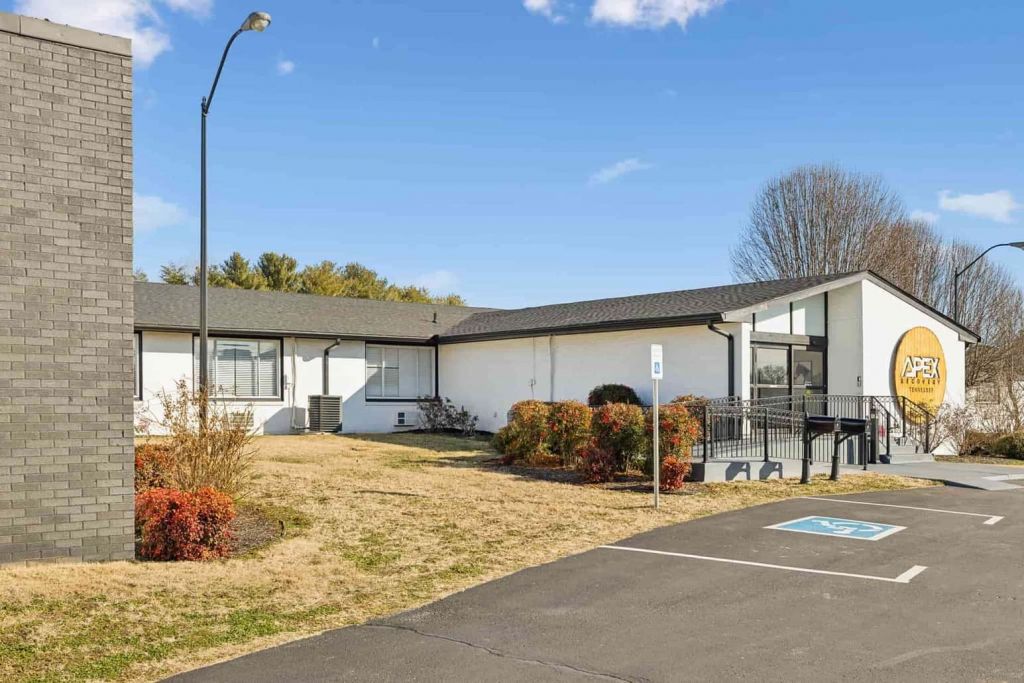
How to Find Court-Ordered Rehab Near Me in Tennessee
You can find options for court-appointed rehab throughout Tennessee for all levels of care. Apex Recovery is a Tennessee rehab that provides all levels of care as part of comprehensive treatment programs. Our team of healthcare professionals are experienced with the procedures of court-ordered rehab treatment.
People who have committed a drug-related crime may be eligible for rehabilitation as opposed to serving time behind bars. This option often requires appearing in a drug court rather than a criminal court, but the qualifications vary depending on the state. Common qualifications for court-ordered rehab may include:
- A drug addiction diagnosis
- Willingness to comply with treatment
- No history of violent or sexual crimes
- No other instance of drug-related crime on their record




Contact Apex Recovery Tennessee to check your insurance coverage levels for Court-ordered rehab. Our specialists can answer any questions you may have.
How Does Court-Ordered Rehab Work?
When someone is court-ordered to enter a rehab program, the options available may vary depending on the level of care needed. Courts may require a person to participate in counseling or attend 12-step meetings. In more severe cases of addiction, someone may be ordered to an Intensive Outpatient Program (IOP) or a residential treatment program.
The drug court assigns a team of professionals to each court-ordered rehab participant. The team includes probation officers, attorneys, and treatment staff, who regularly discuss how the person is progressing.
Defendants who agree to attend court-ordered rehab must follow strict guidelines. These often include:
- Appearing before a judge in court for sentencing
- Complete random drug testing
- Ongoing court supervision
- Report updates to court officials
- Complete the treatment program
Drug and Alcohol Rehab Near Nashville
Apex Recovery, with multiple facilities in Tennessee, offer comprehensive substance abuse treatment.
- Apex Recovery Brentwood: 209 Ward Circle, Brentwood TN, 37027
- Apex Recovery Columbia: 2710 Trotwood Ave STE A & B Columbia, TN 38401
Fill in the form below to request a call back from Apex Recovery Tennessee
Types of Court-Ordered Rehab
Each state may vary in the types of court-ordered rehab programs available. Below are the most common types.
- Juvenile Drug Treatment Courts are for youth in the juvenile justice system with drug or alcohol addiction.
- Driving under the influence (DUI) and driving while intoxicated (DWI) Treatment Courts are for adults with more than one DUI or DWI offense or first offenders with high blood alcohol concentrations (BAC) at the time of their offense.
- Family Treatment Courts are for families in the welfare system in which the parents have drug or alcohol addictions.
- Mental Health Treatment Courts are typically for individuals with co-occurring substance use and mental health disorders.
- Veteran Treatment Courts are for military veterans with SUDs and non-violent criminal charge.

Who Pays for Court-Ordered Rehab?
In most cases, the defendant, the person ordered in court to attend addiction treatment is responsible for payment. However, people can select the treatment facility that best meets their financial needs. Many programs can help people apply for and receive federal grant money to support treatment costs. Medicaid or Medicare health insurance plans typically cover a state-funded facility. If individuals have private insurance, they may choose a private treatment program.

Check Your Insurance
Apex Recovery Tennessee is in-network and accepts most major health insurance plans to make Court-ordered rehab more accessible in Tennessee. Contact us today to check your coverage!
How Long Does Court-Ordered Rehab Last?
The time a person spends in court-ordered rehab depends on their level of stay. The defendant’s legal and medical team of professionals will typically determine the best type of rehab program. This may include:
- Medical detox – When someone stops taking drugs or alcohol it is recommended to detox safely under the care of a medical professional.
- Residential or inpatient treatment: A residential treatment program provides round-the-clock, evidence-based care with a team of professionals dedicated to helping the patient achieve the best outcome.
- Outpatient treatment programs: People in the outpatient program live at home, however, they can still receive the necessary support and resources for recovery. This program typically includes required counseling, meetings, and therapy sessions.
- Partial Hospitalization Program (PHP): For people requiring a more intensive level of care than outpatient programs can provide, a PHP is an option. The daily time commitment can be up to six hours a day, five days a week.
- Intensive Outpatient Program (IOP): This level of care is designed for patients who require more support than traditional outpatient therapy but do not need the full-time supervision of a residential program.
Apex Recovery offers court-ordered rehab treatment in Tennessee. For more information on how treatment plans are designed for each patient, speak with a specialist by calling (877) 881 2689.
What Happens If I Do Not Complete Court-Ordered Rehab?
There are consequences for not adhering to the terms of a court-ordered rehab sentence. Typically, a violation occurs when a person refuses to enroll in treatment or stops attending before completing the required program. However, they can also break the terms if they are found in possession of drugs, selling drugs, or failing a drug test.
The consequences for violating a court-ordered drug rehab sentence vary and largely depend on several factors, including:
- The type of violation
- If there are multiple violations
- The person’s criminal history
- Time spent in treatment
- Behavior during rehab treatment
Contact Apex Recovery Tennessee to check your insurance coverage levels for Court-ordered rehab.
What Happens After Court-Ordered Rehab?
The next steps after a person completes a court-ordered rehab program depend on the original sentencing terms and agreement. In some cases, the person will be released and have their charges dismissed. Others may have their sentences reduced or amended.
Maintaining sobriety after court-ordered rehab can be difficult for those struggling with addiction. Aftercare is intended to support someone in their early recovery, help them avoid relapse, and assist them as they work toward their life goals. Participating in individual and group therapy, attending 12-step meetings, and reaching out to a sponsor is often part of a rehab aftercare program.
If you or a loved one needs court-ordered rehab in Tennessee, there are many options available. Apex Recovery has addiction treatment programs in both facilities in Tennessee, Call us at (877) 881 2689 where our admission team can provide more information and help you start your sobriety journey.
Fulfill Your Legal Requirements with Comprehensive Care
Navigating both the legal system and substance use challenges can feel overwhelming, especially when questions come up like can rehab be court ordered or are there rehabs that accept court orders? In many cases, the answer is yes. Options such as court ordered rehab Tennessee programs give patients a structured path forward that supports both legal requirements and personal recovery.
Many patients also want to understand how to get court ordered rehab or how long is court ordered rehab, since timelines and processes can vary based on the court and individual circumstances. Judges may recommend a court ordered drug treatment program or court ordered alcohol treatment plan, which allows patients to meet legal expectations while beginning meaningful progress in recovery. Questions like is court-ordered rehab free often depend on insurance, funding, or specific program policies, though support is often available. The benefit of entering court-approved treatment programs is that patients can fulfill legal obligations while receiving steady medical and behavioral support, creating space for real, lasting change.
Understanding how to get court ordered rehab often means working with a legal representative during court proceedings to request treatment instead of jail time. Patients and families may ask, ” Are there rehabs that accept court orders?”, along with questions like “how long is court ordered rehab” or “is court-ordered rehab free”, since timelines can depend on legal requirements and progress, while costs are often covered in part by insurance. At Apex Recovery, we provide structured, evidence-based court ordered rehab services in Tennessee that meet legal requirements while supporting long-term recovery. Call now at (877) 798-4404 to speak with admissions, verify your insurance, and take the next step.
Court-Ordered Treatment & Recidivism Statistics (Updated 2026)
- Recidivism Reduction: Recent 2025–2026 data indicates that individuals completing court-ordered substance use treatment are 37% less likely to be re-arrested within two years compared to those serving standard jail time.
- Treatment Retention: Participants in legally mandated programs show a 20% higher retention rate in long-term clinical care, as the legal framework provides a structured incentive for consistent attendance.
- Drug Court Efficacy: Evaluations of specialized drug courts in 2026 show that successful graduates experience a 50% reduction in illicit substance use compared to traditionally prosecuted defendants.
- Public Safety Impact: Communities utilizing integrated court-ordered recovery models reported a 22% decrease in local property crimes related to drug-seeking behavior throughout 2025.
- Cost-Benefit Ratio: For every $1 invested in court-ordered treatment programs, taxpayers save approximately $4.25 in avoided criminal justice costs and emergency medical services.
- Mental Health Intersection: Approximately 64% of individuals entering court-ordered rehab in 2026 were identified as having a co-occurring mental health disorder, necessitating integrated dual-diagnosis protocols.
- Employment Outcomes: 48% of individuals who complete court-mandated residential or outpatient programs secure stable employment within six months of completion, aiding long-term reintegration.
- Family Reunification: Legally mandated treatment connected to family court cases resulted in a 31% increase in successful permanent family reunifications in 2025–2026.
- Supervised Compliance: Programs requiring weekly judicial status hearings reported a 15% higher success rate in program completion than those with monthly or bi-monthly check-ins.
- Long-Term Sobriety: 2026 clinical follow-ups suggest that 58% of court-ordered participants maintain continuous sobriety for at least one year following the termination of legal supervision.
Verified Data Sources: Apex Recovery: Court-Ordered Treatment Overview; Bureau of Justice Statistics: 2025 Recidivism Analysis; SAMHSA: 2025 National Survey on Drug Use and Health.


