Apex Recovery provides specialized, medically supervised detoxification treatment for Gamma-Hydroxybutyrate (GHB) and Gamma-Butyrolactone (GBL) dependence in Tennessee. From our licensed GHB detox facilities in Middle Tennessee, we offer proven withdrawal treatment and tailored detox programs with 24/7 clinical support in our modern, accredited facilities, an idyllic setting for those breaking free from GHB and GBL addiction.
We accept most major health insurance carriers, including Aetna, Cigna, Blue Cross Blue Shield, Humana, TRICARE, and United Healthcare, while also offering private pay options. Our facilities are within reach of major TN cities, including Nashville, Memphis, Knoxville, Chattanooga, and Clarksville. Call Apex Recovery at (877) 881 2689 to verify your insurance for GHB and GBL detoxification treatment, and our team will help guide you on your path to recovery.
What is Gamma-Hydroxybutyrate and Gamma-Butyrolactone Detoxification?
Gamma-Hydroxybutyrate (GHB) and Gamma-Butyrolactone (GBL) detoxification manages a person’s withdrawal from CNS depressants, as well as the withdrawal symptoms that emerge once use has stopped. When an individual develops a biological dependence, their system adapts to the presence of GHB or GBL. This leads to the emergence of physical and psychological symptoms as normal function is gradually restored.
This process is essential for anyone who’s become dependent on GHB or GBL, since stopping the depressant drug suddenly can be highly dangerous. A structured detox plan helps reduce the health risks that come with withdrawal, giving someone stable ground to start comprehensive addiction treatment and work toward lasting recovery.
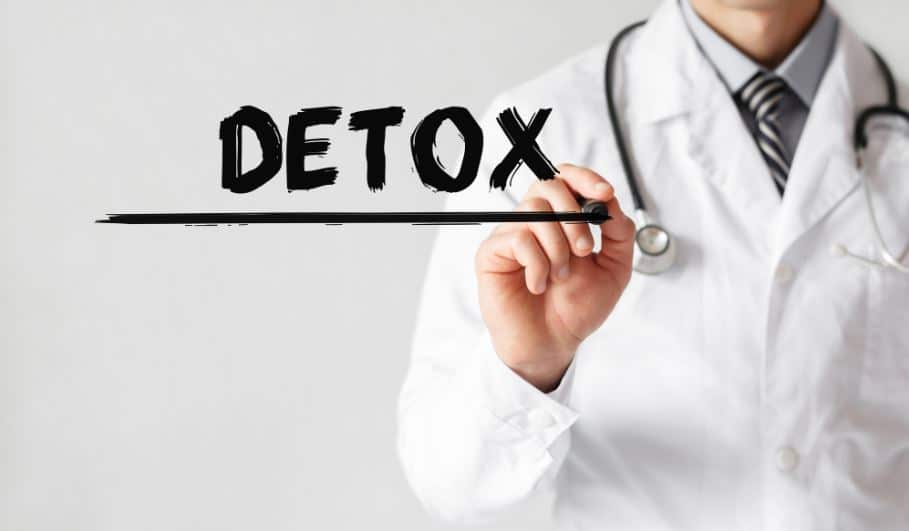
What is Medically Supervised GHB and GBL Detox?
Medically supervised GHB and GBL detoxification is a clinical process that takes place in a specialized facility where healthcare professionals watch over patients around the clock. This level of care keeps people safe and as comfortable as possible through medical support, including medications that help prevent serious complications like seizures, delirium, and severe anxiety.
This constant monitoring is necessary because withdrawal from these central nervous system depressants can be unpredictable and dangerous. These substances, sometimes called “G,” “liquid ecstasy,” or “juice” on the street, can cause life-threatening withdrawal symptoms. Medically supervised detox provides the safest setting to get through this difficult first stage of recovery.
GHB and GBL Use and Misuse in Tennessee
While GHB and GBL are often grouped with other “club drugs” or sedatives, Tennessee’s overall substance use data figures paint a critical picture. According to SAMHSA, about 938,000 people in Tennessee struggled with a substance use disorder in the past year, showing just how deeply specialized treatment is needed.
The Tennessee Department of Health reports shed light on the substance use crisis, stating that 3,873 people died from unintentional overdoses in 2022. Mixing different substances, often including depressants like GHB or GBL, with other drugs, has played a significant role in the number of deaths recorded. This highlights why individualized withdrawal treatment is so incredibly important for patients healing from GHB and GBL addiction.

Apex Recovery works with most major insurance carriers and can help you figure out your benefits for GHB and GBL withdrawal treatment and rehabilitation. Our admissions team can check your coverage, giving you a clearer picture of what your plan covers for CNS depressant detoxification and the treatment programs that follow.
Does Insurance Cover GHB and GBL Detox in Tennessee?
Yes, most health insurance plans in Tennessee cover Gamma-Hydroxybutyrate (GHB) and Gamma-Butyrolactone (GBL) detoxification, as it is considered a medical necessity. However, the extent of this coverage can vary significantly depending on your specific plan, provider, and unique clinical needs.
In order to get the most out of treatment, we recommend you take the time to understand the details of your current insurance plan. To determine your exact coverage levels for GHB and GBL detox, we encourage you to contact Apex Recovery. Our admissions specialists can conduct a confidential insurance verification to break down your benefits and determine any out-of-pocket costs. Call us at (877) 881 2689 to start the process today.
Prescription Liquid Detoxification Treatment Near Nashville, Tennessee
Apex Recovery offers specialized GHB and GBL detoxification treatment at our drug misuse facilities near Nashville. Our licensed depressant withdrawal facilities in Brentwood and Columbia, TN, provide medically supervised detox programs in safe, supportive settings, making effective care accessible for those living across the wider region.
- Apex Recovery Brentwood: 209 Ward Circle, Brentwood TN, 37027
- Apex Recovery Columbia: 2710 Trotwood Ave STE A & B Columbia, TN 38401
Fill in the form below to request a call back from Apex Recovery Tennessee
How Much Does GHB and GBL Detox Cost Without Insurance in Tennessee?
The cost of GHB and GBL detox without insurance in Tennessee varies, with a standard seven-day inpatient program ranging from $4,000 to over $10,000, and a week-long outpatient detox program averaging anywhere between $1,000 and $3,500. Final costs hinge on a person’s individual needs and the degree of withdrawal care required.
For an accurate, individualized cost assessment that lines up with your personal clinical requirements, it is best to contact our admissions team directly. Apex Recovery’s expertly-informed staff can provide detailed pricing for our GHB and GBL detoxification programs and discuss available payment options. To book a private consultation, call us at (877) 881 2689.

Medically Supervised Liquid Ecstasy Detox Centers That Accept Insurance
Apex Recovery runs two licensed GHB and GBL detoxification facilities in Tennessee that accept insurance, making quality recovery care and medical supervision easier to access. Our Brentwood drug abuse rehab center serves the greater Nashville area, while our Columbia location provides an expanse of withdrawal treatment programs for those living in surrounding regions.
We work alongside many of Tennessee’s leading insurance companies to make getting GBL and GHB withdrawal treatment easier. These include Aetna, Cigna, BCBS of Tennessee, Humana, and United Healthcare. Our admissions team is happy to check your benefits and let you know exactly what your plan covers for detoxification services.
Check Your Insurance
The health insurance space can be complex and often overwhelming, but you should never have to navigate it alone. At Apex Recovery, we accept the majority of state-licensed insurance providers, with our very own admissions team available to help you understand your coverage for a GHB or GBL detoxification program.
How to Detox Your Body from GHB and GBL Safely
Safely detoxing from Gamma-Hydroxybutyrate (GHB) and Gamma-Butyrolactone (GBL) requires a structured, medically-guided approach to handle the more serious withdrawal symptoms. Stopping CNS depressants suddenly can be very dangerous, which is why professional supervision is a key part of a safe and effective detoxification. The following steps detail a secure and proven path through GHB / GBL withdrawal and into the next stages of recovery.
- Seek medical supervision before starting GHB / GBL detox: Never attempt to detox alone. Professional oversight is critical to manage withdrawal risks safely.
- Undergo a thorough assessment of your health and substance use history: A complete evaluation helps clinicians create a personalized and effective detoxification plan tailored to you.
- Consider inpatient or outpatient detox programs based on severity: The appropriate degree of withdrawal care depends on your usage patterns, dependence level, and overall health.
- Gradually taper doses under medical guidance to reduce the risks of withdrawal: A medically supervised taper helps minimize the intensity of withdrawal symptoms and prevents more dangerous health complications.
- Monitor and manage withdrawal symptoms with professional support: Continuous clinical monitoring allows for immediate intervention to safeguard your health and comfort during the detoxification process.
- Maintain hydration, nutrition, and rest to support recovery: Proper physical care is fundamental to helping your body heal and regain strength during withdrawal.
- Follow a post-detox recovery plan, including counseling or therapy, to prevent relapse: Long-term success depends on confronting the underlying causes of addiction through ongoing therapeutic support.
Common Types of Gamma-Hydroxybutyrate and Gamma-Butyrolactone Detoxification Treatment Programs in Tennessee
Tennessee offers a range of detox programs designed to meet the varied needs of those breaking free from Gamma-Hydroxybutyrate (GHB) and Gamma-Butyrolactone (GBL) dependence. TN’s variety of CNS depressant programs differ in intensity, setting, and treatment approach, so each person can find the right level of care for their unique situation. From intensive inpatient supervision to flexible outpatient services, the goal is to provide a safe, structured path toward recovery.
Medically Supervised Inpatient Detox Programs for GHB and GBL
Medically supervised inpatient detoxification provides patients with the highest levels of care as they withdraw from GHB and GBL. Patients begin their detox in a specialized medical facility where doctors and nurses are constantly present to monitor their health, as well as their withdrawal symptoms. This constant supervision is critical for managing the physical and psychological effects of withdrawal and preventing life-threatening complications like seizures or delirium.
This controlled environment means immediate medical help is always within reach. The leading purpose of inpatient detoxification is to physically stabilize patients in safe and secure settings, giving them the best possible start to recovery before they move into the next phases of addiction treatment, like residential care or 1-1 therapy.
Intensive Outpatient and Partial Hospitalization Detox Programs in Tennessee
Intensive Outpatient Programs (IOPs) and Partial Hospitalization Programs (PHPs) offer structured detoxification support for those who don’t need round-the-clock inpatient monitoring during withdrawal. Patients tend to come into a facility for treatment sessions for several hours a day, multiple days a week, then return home in the evening.
This setup offers in-depth medical supervision and therapeutic support for people withdrawing from GHB and GBL while allowing them to keep up with their everyday lives. Intensive non-residential detoxification programs are ideal for individuals who have stable at-home environments or for those who are less likely to develop more serious withdrawal complications. Their thoughtful balance of medical oversight and integrated therapies offers patients an ideal and flexible alternative to substance withdrawal treatment.
Luxury Residential Recovery Centers Offering Detox and Rehab for GHB/GBL
Luxury residential recovery centers provide GHB and GBL detoxification treatment and addiction rehabilitation in more upscale, retreat-style environments. TN’s many deluxe inpatient facilities combine proven medical withdrawal treatment with the benefit of premium amenities, like private rooms, gourmet meals, as well as holistic therapies like yoga, massage, acupuncture, and fitness training.
Wellness activities are thoughtfully woven into each patient’s plan based on their preferences and medical needs, in an effort to improve their overall recovery journey. Luxury residential withdrawal facilities aim to provide a private, modern space where patients can move through the detox process away from everyday stressors and distractions. The state’s array of upscale withdrawal treatment centers still delivers the same high-quality medical care as traditional rehab facilities, only with an added emphasis on comfort and personalized services.
Co-Occurring Disorders Treatment for Addiction and Mental Health Needs
People with a substance use disorder tend to also face an accompanying mental health condition, such as anxiety, depression, or PTSD. Co-occurring disorder care, also known as dual-diagnosis treatment, blends recovery care to treat a person’s mental health condition and their addiction to CNS depressants in unison.
This all-encompassing recovery method recognizes that a person’s psychological issues are often deeply intertwined and should be treated in unison for a lasting and successful recovery. Seeing to the patient’s psychological state in all its entirety, rather than just the symptoms of GBL or GHB addiction, can improve recovery outcomes and lower the chances of relapse. Dual-diagnosis treatment dissects how mental health can impact a person’s substance use, while also equipping them with effective coping strategies for both issues.
Women and Pregnant Women Focused GHB/GBL Recovery Programs
Specialized withdrawal treatment and addiction recovery programs for women, including those who are pregnant, are designed around the gender’s physical and emotional needs. Female-focused treatment programs address the female-specific challenges that come with being addicted to CNS depressants, such as trauma and societal pressures.
For pregnant women, GHB / GBL withdrawal and addiction treatment concentrates on protecting the health and safety of both mother and baby throughout the recovery process. Treatment is provided by professionals trained in prenatal and postnatal care, addiction medicine, therapeutic support, and women’s health. The approach hinges on compassionate, trauma-informed care that helps women pave an effective and sober path ahead while moving through the typical phases of motherhood.
Recovery Housing and Peer Support Services for Long-Term Sobriety
Recovery housing, or sober living homes, provides patients withdrawing from CNS depressants with structured, substance-free environments once their initial treatment has come to an end. Follow-up recovery residences help bridge the gap between intensive addiction recovery care and patients’ return to everyday life, building a sense of accountability through peer support, house rules, and routine drug testing.
Peer support services are a key part of this substance use recovery model, connecting residents with other like-minded people with shared experiences. Building connections with others who have empathy and can understand the struggle of addiction helps reinforce constructive habits and keeps patients on track during recovery once formal treatment ends.
Medication-Assisted Treatment and Symptom Management During Detox Programs
Medication-assisted treatment (MAT) Medication-assisted treatment (MAT) may be used during GHB and GBL detoxification to manage GHB / GLB withdrawal symptoms and control the symptoms of withdrawal. Specific medications can be administered. Typically guided by physicians and clinical staff, to ease patients’ physical discomfort, anxiety, insomnia, and cravings, making the detoxification process safer and more tolerable.
The primary goal of MAT is to better manage a person’s detox symptoms while stabilizing them during their withdrawal from CNS depressants. Expert medical guidance allows individuals to immerse themselves entirely in the therapeutic side of their GBL / GHB addiction recovery program by reducing the acuteness of their withdrawal symptoms.
Screening, Early Intervention, and Ongoing Recovery Support Services
Screening and early intervention recovery services are designed to identify a person’s substance use issue before it turns into a more serious GHB / GBL dependence. Pre and post recovery programs often take place in community, healthcare, or educational settings to provide assessments and connect like-minded individuals with the right resources and support. Taking action early can prevent the need for more intensive withdrawal care and addiction treatment further down the line.
Ongoing recovery support services can really help patients continue their sobriety after their detox from CNS depressants comes to an end. These include aftercare planning, alumni groups, individual counseling, and access to support networks. This ongoing engagement acts like a psychological safety net for the patient, guiding them through the challenges of recovery while preventing relapse in the long term.
Gamma-Hydroxybutyrate and Gamma-Butyrolactone Detox and Withdrawal Timeline
The time it takes to withdraw from Gamma-Hydroxybutyrate (GHB) and Gamma-Butyrolactone (GBL) is different for everyone. It can depend on how long and how heavily someone has used CNS depressants for, the dosage, and their unique biological makeup. That being said, GHB and GBL withdrawal symptoms tend to follow a predictable series of stages as the body flushes out the drug and its chemicals. Knowing what to expect during this timeline can really help to prepare patients for the detoxification process and manage the often serious and sometimes even fatal symptoms that can come with substance withdrawal.
- First 24 hours: Initial withdrawal symptoms often begin within hours of the last dose, such as anxiety, tremors, and insomnia.
- Days 1–3: Symptoms typically peak during this period, potentially escalating to hallucinations, severe agitation, confusion, and high blood pressure.
- Days 4–7: The most severe physical symptoms may start to subside, though significant anxiety, depression, and sleep disturbances can persist.
- Week 2: Psychological symptoms like mood swings and cravings often continue, while most acute physical symptoms have typically resolved.
- Weeks 3–4: Post-Acute Withdrawal Symptoms (PAWS) may emerge, including ongoing depression, anxiety, and difficulty concentrating as the brain continues to heal.
- After one month: Most withdrawal symptoms should have significantly diminished, though ongoing therapeutic support is critical for managing lingering psychological effects.
Popular Cities in Tennessee for GHB Detoxification
Major metropolitan areas in Tennessee, including Nashville, Memphis, and Knoxville, are home to a multitude of state-renowned healthcare networks providing specialized GHB / GBL addiction treatment. With a generous selection of recovery professionals and support systems, TN is an idyllic setting for Tennesseans to withdraw from GHB and GBL, and access a detox program tailored entirely to their needs.
Flagship cities like Chattanooga, Clarksville, Murfreesboro, and Franklin are valued for their ever-growing availability of accessible and discreet recovery options. The volunteer states that diverse treatment options and community support create an environment that promotes healing, giving individuals and families real choices as they navigate the challenges of addiction and recovery.
Apex Recovery runs two private GHB and GBL detox and rehabilitation facilities. Located in Brentwood and Columbia, our substance abuse rehabs border cities with great transportation links, including Nashville, Memphis, Knoxville, and Murfreesboro. To learn more about our CNS depressant withdrawal treatment programs, call our admissions team at (877) 881 2689 for a confidential consultation.
At Apex Recovery, we provide free GHB addiction assessments to help you and our clinical team better understand your treatment needs. We design tailored detoxification and CNS depressant addiction recovery programs and can offer accurate pricing for our residential treatment resources based on this thorough evaluation.
Medically Supervised GHB and GBL Detox Admissions Process at Apex Recovery, Tennessee
At Apex Recovery, we understand just how daunting it can feel to reach out for help with addiction. This is why we have streamlined our admissions process, making it both confidential and efficient for all seeking help. We aim to expand access to CNS depressant withdrawal treatment across TN, with a varied degree of withdrawal care available, catering to different patient needs. Our well-structured approach guarantees that every person’s unique circumstances are thoroughly assessed from the very first point of contact, laying down a sustainable foundation for an effective detox from GHB and GBL.
- Your first consultation to review your history of substance use: A private conversation with an admissions specialist will take place, so we can better understand your specific substance use and medical history.
- A thorough medical and psychological evaluation to assess your detoxification needs: Our clinical team will conduct a full assessment to determine the most fitting and safe withdrawal option for you.
- Receive a personalized treatment plan with full medical supervision: We create an individualized care plan that meets your needs, offering all-encompassing medical oversight throughout your treatment.
- Admission and orientation covering rules, routines, and safety protocols: Upon arrival, you will be given a tour of the facility, our program structure, and a staff member will explain the safety procedures.
- Begin your GHB / GBL detox under continuous medical monitoring: Detoxification begins immediately, with 24/7 medical supervision to make sure you’re safe during withdrawal and that your detox symptoms are managed.
Statistics on GHB AND GBL Use and Misuse in Tennessee
- In 2020, there were 3,032 overdose deaths in Tennessee, a figure that shows just how serious the public health crisis related to substance use has become across the state.
- Data from SAMHSA’s 2022 National Survey on Drug Use and Health indicates that among adolescents aged 12 to 17 in Tennessee, 3.1% met the criteria for an Illicit Drug Use Disorder in the past year.
- The Tennessee Department of Health reported a total of 3,873 unintentional overdose deaths in 2022, with a significant number involving multiple substances.
- According to the National Institute on Drug Abuse, the misuse of central nervous system (CNS) depressants, a class that includes GHB, can slow brain activity and lead to dangerous consequences, especially when combined with other substances like alcohol.
- KFF’s Tennessee fact sheet reports that in 2021, there were 3,038 opioid overdose deaths in Tennessee.