Apex Recovery offers specialized, medically supervised programs to help individuals detox from Xanax safely. Our licensed facilities in Middle-Tennessee provide evidence-based Xanax medical detox with 24/7 clinical support from experienced staff. We create tailored rehab treatment programs for individuals seeking to recover from Xanax misuse in a modern, comfortable, and supportive environment.
We accept health insurance from most major providers, including Aetna, Cigna, Blue Cross Blue Shield, Humana, and United Healthcare, and also offer private pay options. Our team can help verify your plan’s coverage for Xanax detox treatment. Contact our specialists at Apex Recovery to learn more. Our prescription drug addiction recovery centers are conveniently located near Nashville, Memphis, Knoxville, Chattanooga, and Clarksville.
What is Xanax Detoxification?
During Xanax detoxification, your body undergoes a natural process to eliminate the substance after a period of prolonged use. When physical dependence develops, the brain and body adapt to the presence of Xanax. Detoxification begins when you stop taking the substance and force your system to readjust to functioning without it, which often triggers withdrawal symptoms.
Successfully managing Benzodiazepine withdrawals involves more than simply quitting the substance. Safely detoxing from Xanax requires professional interventions to navigate withdrawal symptoms and ensure a comfortable, secure recovery process as your body adjusts. A structured treatment will facilitate personalized and comprehensive monitoring throughout your recovery.
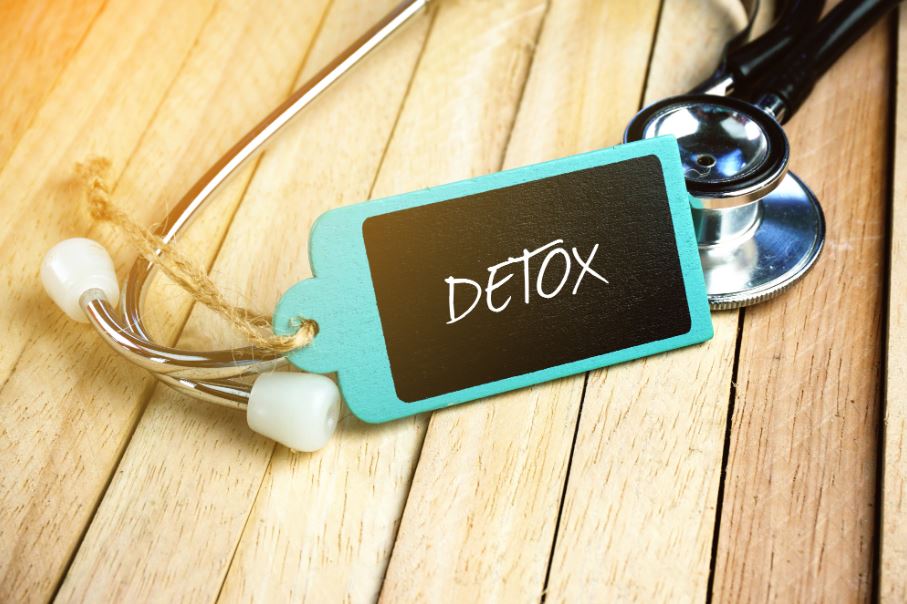
What is a Medically Supervised Alprazolam Detox?
A process in which healthcare professionals monitor Alprazolam detox in a clinical setting. The detox often involves 24-hour monitoring and medical interventions to guarantee a patient’s safety and security while they withdraw from the medication. Medical staff administer treatments to alleviate severe withdrawal symptoms and manage any potential complications.
This approach is widely regarded as the safest and most effective method for Xanax withdrawal. Medical supervision during the detoxification process offers immediate access to medical care, which significantly reduces health risks associated with withdrawal. The method provides you with a structured and reliable environment for the duration of your detox process in order to successfully transition you to further rehabilitation.
Xanax Use and Misuse in Tennessee
Misusing prescription drugs, including benzodiazepines like Xanax, remains a significant public health concern in Tennessee. Each year, thousands of individuals seek help for sedative, hypnotic, or anxiolytic use. Data from the Substance Abuse and Mental Health Services Administration (SAMHSA) highlights the urgent need for accessible and effective detox services.
According to state reports, Tennessee has one of the highest opioid prescribing rates in the nation, and polysubstance use involving benzodiazepines is common. High prescription rates for controlled substances cause an increase in misuse. This trend underscores the importance of specialized addiction treatment and medically supervised detox facilities within Tennessee to address the complexities of Xanax dependency.


Contact Apex Recovery Tennessee to check your insurance coverage levels for medically supervised Xanax detox.
Does Insurance Cover Xanax Detox in Tennessee?
Yes, health insurance plans in Tennessee generally provide coverage for Xanax detox services, as they are considered a medical necessity. However, factors such as deductibles, co-pays, and the duration of covered treatment will differ based on your specific insurance provider and individual policy details.
To understand the specifics of your plan, it is best to verify your benefits. We encourage you to contact Apex Recovery for assistance. Our admissions coordinators can help you navigate your insurance policy, determine your exact coverage levels for addiction rehabilitation, and explain your available options for recovery treatment.
Alprazolam Detoxification Treatment Near Nashville, Tennessee
Apex Recovery provides professional alprazolam detoxification services at our two accessible locations near Nashville.
- Apex Recovery Brentwood: 209 Ward Circle, Brentwood TN, 37027
- Apex Recovery Columbia: 2710 Trotwood Ave STE A & B Columbia, TN 38401
Fill in the form below to request a call back from Apex Recovery Tennessee
How Much Does Xanax Detox Cost Without Insurance in Tennessee?
For a typical seven-day inpatient detox program, the average cost without insurance ranges from $4,000 to over $10,000 in Tennessee. An equivalent seven-day outpatient detox program is generally less, with costs ranging from $1,000 to $3,500. These figures can fluctuate based on the intensity of intervention required.
For the most accurate and personalized pricing, you can contact us at Apex Recovery directly. Our admissions specialists can present you with a detailed breakdown of costs based on your specific needs and create a financial plan that works for you. Call us at (877) 881 2689 for a confidential consultation and transparent pricing information.

Medically Supervised Xanax Detoxification Centers That Accept Insurance
Apex Recovery offers accessible, insurance-friendly options for Xanax detoxification. We operate an outpatient detox center near Nashville in Brentwood for those who require flexible schedules. For individuals needing a more structured and immersive environment, our inpatient detox center in Columbia, TN, offers comprehensive, round-the-clock supervision. Both facilities accept insurance.
We work with many of the largest insurance providers in Tennessee to ensure affordable treatment. Apex Recovery is an in-network provider with companies including Aetna, Cigna, Blue Cross Blue Shield of Tennessee, Humana, and United Healthcare. Contact our team if you need assistance verifying your specific plan’s benefits for detoxification services.

Check Your Insurance
Apex Recovery accepts insurance from most major providers and can simplify the process of confirming your benefits. Our admissions team is available to perform a complimentary verification of your coverage levels for addiction rehab. To understand your policy and what it covers, contact our specialists for confidential assistance.
How to Detox Your Body from Xanax Safely
Using a structured and medically guided approach during Xanax detoxification will safely and effectively manage your withdrawal. Abruptly stopping the medication can be dangerous. The following steps outline a plan for navigating the detoxification process, helping you minimize risks, and take the first steps toward a successful recovery from physical dependence.
- Consult a medical professional before starting Xanax detox: It is critical to seek expert medical advice before attempting to stop using Xanax.
- Gradually taper the dose under supervision to reduce withdrawal symptoms: A supervised tapering schedule helps minimize the severity of withdrawal symptoms and associated risks.
- Monitor withdrawal symptoms: Regular monitoring by healthcare providers allows for timely adjustments to the detox plan.
- Stay hydrated and maintain proper nutrition to support your body: Proper hydration and a balanced diet are essential for aiding the body’s healing process.
- Consider therapy or counseling to address underlying anxiety or dependence: Addressing the root causes of addiction with professional assistance is key to long-term recovery.
- Seek inpatient or outpatient support programs if needed for safety and guidance: Professional programs supply structured addiction management and supervision during detox.
Common Types of Alprazolam Detoxification Treatment Programs in Tennessee
There are a variety of alprazolam detoxification treatment programs in Tennessee that accommodate the diverse needs of individuals seeking recovery. These Xanax addiction misuse rehabilitation programs are designed with tailored approaches, recognizing individual needs on the path to sobriety. The following sections provide an overview of the most common treatment structures available for Xanax detox.
Medically Supervised Inpatient and Outpatient Xanax Detox Programs
Medically supervised inpatient Xanax detox programs offer the highest level of assistance, providing 24-hour monitoring and support within a residential facility. Immersive environments are ideal for individuals with a significant physical dependence or those at high risk for severe withdrawal symptoms, as it ensures immediate medical intervention if complications arise.
Outpatient Xanax detox programs offer greater flexibility, allowing individuals to live at home while attending scheduled appointments at a treatment center. This less intensive option is suitable for those with a strong support system and a less severe dependency. Medical supervision is still a core component, but treatment occurs on a part-time basis.
Partial Hospitalization and Intensive Outpatient Xanax Treatment Programs
Partial hospitalization programs (PHPs) serve as a step-down from inpatient programs or a step-up from standard outpatient treatment. Patients typically attend treatment for several hours a day, five to seven days a week, receiving intensive therapeutic services and medical oversight before returning home in the evenings.
Intensive outpatient programs (IOPs) are less time-intensive than PHPs but more structured than traditional outpatient care. IOPs usually involve several hours of therapy and support group meetings a few days per week. Structured to allow individuals to maintain their work, school, or family commitments while engaging in a robust treatment regimen.
Rapid and Long-Term Medically Assisted Benzodiazepine Detox Programs
A rapid detox procedure, often performed under anesthesia, quickly purges benzodiazepines from the body over a few hours. While it accelerates the initial detox phase, this method carries significant medical risks and does not address the psychological components of addiction, making the option controversial and less commonly recommended.
Long-term medically assisted detox involves a gradual tapering schedule, where the dosage of Xanax or a similar medication is slowly reduced over weeks or months. This approach is considered much safer, as the severity of withdrawal symptoms are minimized and the body adjusts more gently to the change, increasing the likelihood of a successful detox.
Holistic and Luxury Xanax Detox Centers with Comprehensive Care
Holistic detox centers integrate alternative therapies with traditional medical practices to treat the whole person, mind, body, and spirit. Yoga, meditation, acupuncture, and nutritional counseling are often included as additional integrated services to reinforce overall well-being and reduce the stress associated with withdrawal from Xanax.
Luxury inpatient Xanax detox centers typically offer these comprehensive services in a high-end, comfortable setting with premium amenities. These addiction recovery facilities focus on creating a serene and private environment that allows clients to focus entirely on their recovery. Comprehensive care in these rehabilitation centers combines medical safety with exceptional ease and personalized attention.
Dual Diagnosis and Trauma-Informed Xanax Withdrawal Programs
Dual diagnosis programs are designed for individuals who have a co-occurring mental health disorder, such as anxiety or depression, alongside their substance use disorder. The treatment program simultaneously addresses both conditions, as they are often interconnected. This integrated intervention is essential for preventing relapse and achieving sustainable mental health.
Trauma-informed programs recognize the high prevalence of trauma among individuals with addiction. Rehabilitation programs create a safe and trustworthy environment that avoids re-traumatization. Therapists utilize specific techniques to help clients process the root cause of their substance misuse, promoting deeper and more lasting healing.
Therapy-Focused Programs Including CBT, DBT, and Group Sessions
Therapy-focused programs often include evidence-based behavioral therapies to address the psychological aspects of Xanax addiction. Cognitive Behavioral Therapy (CBT) helps individuals identify and change negative thought patterns and behaviors related to substance use, while Dialectical Behavior Therapy (DBT) teaches skills for managing emotions and tolerating distress.
Group therapy sessions are another cornerstone of these substance addiction treatment programs, providing a platform for individuals to share experiences and build a sense of community. A licensed therapist facilitates these sessions, reducing feelings of isolation and allowing participants to learn from one another’s challenges and successes in an empowering social environment.
Comprehensive Aftercare Programs with Family Counseling for Xanax Detox
Comprehensive aftercare programs are critical for long-term success following Xanax detox. In these post-rehab plans, individuals navigating challenges of early recovery receive long term assistance and consistent guidance through focused and personalized care, which may include therapy, support groups, or regular check-ins. An effective aftercare plan serves as a roadmap for maintaining sobriety and minimizing chances of relapse.
Family counseling is often an integral part of aftercare, as addiction impacts the entire family unit. These family-centered therapy sessions focus on repairing relationships by improving communication and educating family members on how to assist their loved ones throughout recovery. A supportive family system significantly strengthens an individual’s ability to remain sober.
Sober Living and Peer Support Programs for Alprazolam Recovery Maintenance
Sober living homes are structured, substance-free living environments for individuals who have completed a detox or inpatient program. They act as a transitional step after rehab before returning to complete independence, offering accountability and a reliable community of peers who are also committed to recovery and sobriety.
Peer support programs, such as 12-Step groups or other mutual-help networks, give stable guidance that is vital for sustaining addiction recovery. These groups connect individuals with others who have shared experiences, offering ongoing encouragement, mentorship, and a sense of belonging that helps reinforce sober living principles and prevent relapse over the long term.
Xanax Detox and Withdrawal Timeline
Withdrawal timelines vary for each individual, influenced by factors such as dosage, duration of use, and personal physiology. The following stages outline what you can generally expect as the body navigates withdrawal from alprazolam.
- First 24 hours: Initial withdrawal symptoms like rebound anxiety and insomnia may appear as the drug leaves the system.
- Days 1–3: Symptoms typically intensify, often including nausea, irritability, and heightened anxiety, requiring close monitoring.
- Days 4–7: Often mark the peak of acute withdrawal, with symptoms like tremors and significant mood swings, which gradually lessen.
- Week 2: Physical symptoms continue to subside, but psychological effects such as lingering fatigue and mild anxiety may persist.
- Weeks 3–4: Emotional symptoms like depression and drug cravings can remain, highlighting the need for ongoing treatment.
- After one month: Most acute symptoms have diminished, but Post-Acute Withdrawal Syndrome (PAWS) can cause intermittent psychological symptoms.
Popular Cities in Tennessee for Alprazolam Detoxification
Major metropolitan areas in Tennessee, including Nashville, Memphis, Knoxville, Chattanooga, Clarksville, Murfreesboro, and Franklin, serve as key locations for drug and alcohol addiction treatment. These cities in Tennessee offer robust healthcare infrastructures and are highly accessible, providing a solid foundation for individuals seeking professional Alprazolam rehabilitation services and support.
The concentration of specialized medically supervised detoxification centers and extensive community resources in these urban hubs enhances the potential for effective recovery. Their central locations ensure that individuals from surrounding areas can access high-quality rehabilitation services, while a strong network of support services delivers the necessary foundation for long-term management of Alprazolam dependence.
Apex Recovery operates private addiction rehab facilities in Brentwood and Columbia, Tennessee. Our drug and alcohol recovery centers are conveniently located and easily accessible for individuals traveling from major cities such as Nashville, Memphis, Knoxville, Chattanooga, Clarksville, and Murfreesboro, ensuring access to professional help is within reach.
Apex Recovery provides free, confidential Xanax addiction assessments to develop a tailored treatment program for your needs. Contact our admissions team today to receive accurate pricing on residential alprazolam addiction treatment and begin your path to recovery. Call us now.
Medically Supervised Xanax Detox Admissions Process at Apex Recovery Tennessee
The admissions process for Xanax detox at Apex Recovery Tennessee is designed to be straightforward, confidential, and supportive. Our goal is to make accessing care as seamless as possible. The following steps present a clear outline of the journey from the initial consultation to the beginning of your rehab program.
- Contact Apex Recovery for initial consultation on Xanax addiction treatment: The first step involves reaching out to our team to discuss your specific needs and learn about treatment options.
- Complete a free, confidential assessment: Our specialists conduct a thorough, private evaluation to determine the most appropriate and effective plan for your care.
- Verify insurance coverage or explore payment options: Our admissions team will help you confirm your insurance benefits or discuss alternative financial arrangements to ensure access to our services.
- Finalize admission paperwork: To secure your place in the program, you will complete the necessary documentation with assistance from our staff.
- Prepare for Xanax detox treatment and arrival: We provide clear guidance on what to bring and how to best prepare for your stay at our facility.
Statistics on Xanax Use and Misuse in Tennessee
- Recent Tennessee Department of Health overdose data reports that benzodiazepines like Xanax were involved in over 400 overdose deaths statewide in 2021.
- According to SAMHSA treatment admissions statistics, Tennessee records thousands of annual admissions for benzodiazepine addiction, reflecting the significant need for Xanax detox programs statewide.
- Tennessee consistently ranks in the top 10 for benzodiazepine prescription rates, indicating a high availability and increased risk of Xanax misuse.
- The National Institute on Drug Abuse (NIH) highlights that co-use of opioids and Xanax is a factor in a large proportion of Tennessee overdose fatalities.
- From 2019 to 2020, benzodiazepine overdose visits in Tennessee emergency departments rose 23.7%, highlighting increased misuse of Xanax and similar medications.