Medication-assisted treatment centers can support individuals who are experiencing opioid addiction by providing access to Zubsolv medication-assisted treatment. Our MAT programs are available at our Columbia facility, with both inpatient and outpatient support available. We also offer outpatient support in Brentwood near Nashville, with residents of Memphis, Knoxville, Chattanooga, and Clarksville able to access Zubsolv for opioid use disorder in Tennessee.
We accept private health insurance from many major providers in Tennessee and can verify your benefits by calling our admissions department at (877) 881 2689. Private pay options are also available so that you or a loved one can start opioid use disorder treatment as soon as possible. We can review your specific needs via a free addiction assessment and guide you toward the most appropriate Zubsolve therapy with clear steps.
What is Zubsolv Medication?
Zubsolv is a prescription medication used in Zubsolv medication-assisted treatment programs to support individuals who are recovering from opioid use disorder. Zubsolv combines buprenorphine and naloxone in a sublingual tablet. It aims to help reduce cravings and manage withdrawal symptoms while allowing patients to remain stable during structured recovery.
Zubsolv medication is used alongside evidence-based therapy in Zubsolv MAT programs in Tennessee to support long-term recovery progress from addiction issues. Troubling withdrawal symptoms can potentially be eased with buprenorphine and naloxone, making the combination of both in Zubsolv a positive option for patients beginning recovery or continuing support with ongoing clinical guidance.
How Does Zubsolv Medication Treatment Work?
Zubsolv works by combining buprenorphine and naloxone to support patients during opioid recovery. As part of Zubsolv medication-assisted treatment in Tennessee, buprenorphine partially activates opioid receptors to reduce cravings and withdrawal, while naloxone remains inactive unless misuse occurs, helping maintain stability during treatment.
Zubsolv therapy for opioid addiction in Tennessee often allows individuals to begin with an induction phase, fully explaining the organization of the process. This may well then be followed by implementing specific stabilization measures and providing ongoing maintenance. The ongoing responses to the medication will need to be carefully monitored to adjust dosages as necessary, helping patients remain engaged in the program, target recovery goals, and reduce the risk.
What is Zubsolv Used For?
Zubsolv is used to treat opioid use disorder by helping patients manage cravings and specific withdrawal symptoms. A controlled and medically supported transition away from substance misuse can include Zubsolv for opioid use disorder in Tennessee. It supports recovery from dependence on prescription opioids and other substances.
Common examples where Zubsolv is used include dependence on opioids such as oxycodone, hydrocodone, morphine, and fentanyl. The medication can be used in Tennessee to help reduce physical symptoms while also allowing patients to participate in evidence-based therapy such as CBT and DBT.
How Long Does the Average Person Stay on Zubsolv?
The length of time patients remain on Zubsolv can vary, though many stay on the medication for several months to over a year. Some patients may begin tapering after stabilization, while others may continue Zubsolv maintenance therapy as part of long-term recovery planning.
The duration of a Zubsolv MAT course really depends on factors such as the substance misused and how severe the opioid addiction was. By focusing on a patient’s condition, clinical teams can assess medication dosage and adjust it if necessary. Patients can then progress safely through Zubsolv long-term opioid recovery with a plan that suits their particular needs.


We accept insurance plans from many insurance providers for Zubsolv medication-assisted treatment. We will verify insurance benefits for you or a loved one, potentially helping to reduce out-of-pocket costs. Coverage levels can vary, so call admissions today to have your benefits reviewed for Zubsolv treatment programs in Tennessee.
Does Insurance Cover Zubsolv in Tennessee?
Yes, insurance plans from many providers often cover Zubsolv medication-assisted treatment in Tennessee. Plans may cover financial outgoings related to prescriptions and medical management for opioid use disorder. However, coverage details will depend on the specific insurance provider and the policy terms. It will also need to be deemed a medical necessity and delivered through in-network Zubsolv MAT clinics in Tennessee.
Verifying insurance benefits could be a positive start to finding the most suitable ways to begin a Zubsolv treatment program in Tennessee. A quick call to our admissions team at (877) 881 2689 can help you review your benefits and explain the details of insurance coverage options for Zubsolv treatment. You or a loved one can then access MAT treatment with Zubsolv without unnecessary complications.
Zubsolv Medication Treatment Centers Near Nashville, Tennessee
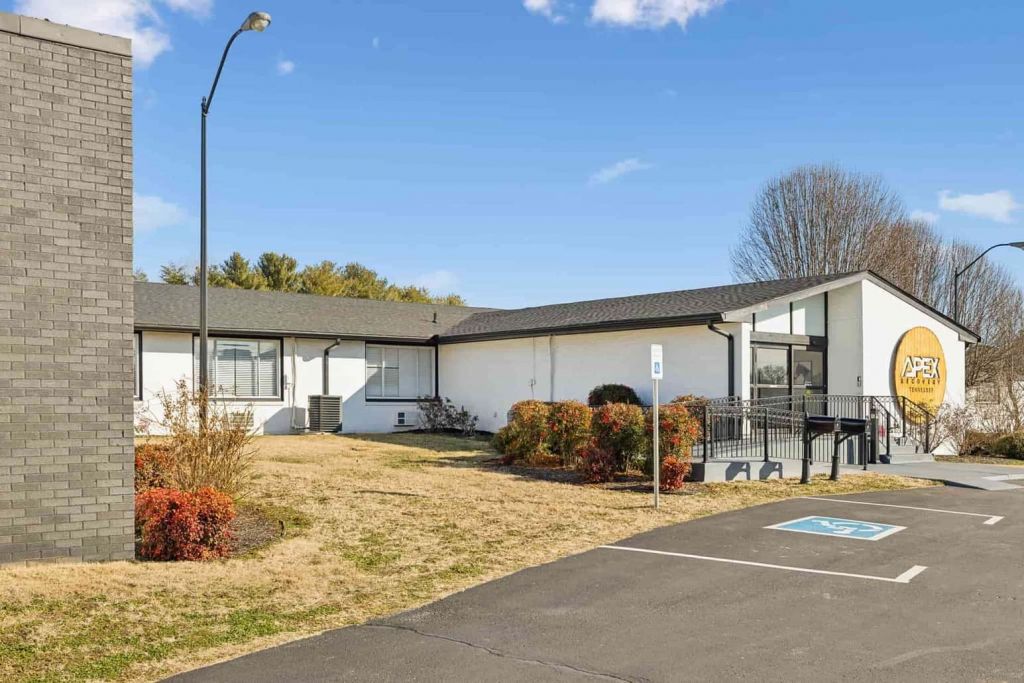
We provide access to Zubsolv medication-assisted treatment in Tennessee through easy-to-access locations designed to support you or a loved one at different stages of recovery. Zubsolv MAT clinics in Tennessee provide structured ways to begin addiction treatment with clinical guidance, whether starting an outpatient program or continuing support with different types of therapy and medication management.
- Apex Recovery Brentwood: 209 Ward Circle, Brentwood TN, 37027
- Apex Recovery Columbia: 2710 Trotwood Ave STE A & B Columbia, TN 38401
Fill in the form below to request a call back from Apex Recovery Tennessee
Common Opioid Use Disorders Treated with Zubsolv Medication
In Tennessee, Zubsolv can treat various opioid-use disorders as part of medication-assisted treatment. Addiction to prescribed medications and illicit substances, ranging in severity and the duration of misuse, may be targeted with Zubsolv for opioid use disorder in Tennessee. You or a loved one could then use the MAT to support long-term recovery goals.
Prescription Opioid Use Disorder (Oxycodone, Hydrocodone)
Prescription opioid use disorder develops when medications such as oxycodone or hydrocodone are misused beyond their intended purpose. Patients may begin using higher doses or taking medication more frequently, leading to dependence that requires structured care through Zubsolv treatment programs in Tennessee.
Medically managed Zubsolv treatment could reduce the cravings and withdrawal symptoms associated with dependence on prescription opioids. The patient could then begin to stabilize physiologically, while evidence-based treatments can target the risks posed by triggers and relapse to reduce them.
Heroin and Fentanyl Use Disorder (Illicit Opioids)
Continued misuse of heroin and fentanyl can rapidly increase the risk of dependence and overdose. Both of these illicit substances have an intense effect on the brain’s reward system, meaning a structured course of treatment, such as Zubsolv medication for opioid withdrawal in Tennessee, is a valuable method of supporting stabilization.
Zubsolv is an approved medication that can help you or a loved one if you are struggling with issues related to heroin and fentanyl misuse, manage withdrawal symptoms, and reduce cravings. When combined with structured care, it supports engagement in treatment and helps patients maintain progress in long-term recovery planning.
Chronic and Polysubstance Opioid Dependence Cases
Chronic opioid dependence and polysubstance use involve long-term patterns of opioid misuse alongside other illicit substances. If you or a loved one has multiple dependencies on various substances, Zubsolve medication-assisted treatment can assist in targeting the negative effects of withdrawal.
Zubsolv supports stabilization and reduction of withdrawal symptoms while allowing focus on the possible causes of addiction. Evidence-based treatment sessions and counseling can target overlapping substance misuse patterns and potential reasons for negative issues. Consistent clinical guidance will then improve recovery outcomes.

How Much Does Zubsolv Treatment Cost Without Insurance in Tennessee?
Zubsolv medication, prescribed on its own, can range from $180 to $700 or more, depending on dosage, while the cost of full Zubsolv medication-assisted treatment in Tennessee programs varies due to the intensity and duration of care. Inpatient MAT may cost $6,000 to $30,000 per month, or $200 to $1,000 per day, while outpatient care ranges from $2,000 to $10,000 per month, or $70 to $334 per day.
Costs could also vary based on which therapy methods are deployed, depending on the MAT. Zubsolv therapy for opioid addiction in Tennessee offers a full approach that blends the FDA-approved medication with structured treatment plans. In this way, we can provide stronger support to identify long-term recovery goals for long-term benefits.
Check Your Insurance
Apex Recovery Tennessee is in-network and accepts most major health insurance plans to make drug and alcohol Medication-Assisted Treatment Programs accessible in Tennessee. Call us today to check your coverage.
Other Medications Similar to Zubsolv
There are also alternatives to Zubsolv medication-assisted treatment in Tennessee through the use of other approved medications. Each option supports opioid recovery in different ways, depending on a patient’s specific needs and response. A structured MAT program that combines the following medications, along with evidence-based therapy and ongoing support, can help with specific opioid addiction issues.
Bunavail
Bunavail is a buprenorphine and naloxone medication delivered as a buccal film that dissolves inside the cheek. In a similar way to Zubsolv, it helps reduce cravings related to opioid addiction as well as withdrawal symptoms. It aims to support patients in medication-assisted treatment programs focused on stabilizing opioid dependence.
Subutex
Subutex medication treatment for opioid use disorder helps reduce withdrawal symptoms and cravings. It contains buprenorphine without naloxone, which may be appropriate for use during the early stages of recovery or when naloxone is not recommended for the patient.
Suboxone
Suboxone combines buprenorphine and naloxone and is widely used in Suboxone medication treatment. It discourages misuse of opioids, which can make it a recommended option in outpatient and long-term MAT programs that support stable opioid recovery.
Zubsolv vs. Suboxone: What is the Difference
Zubsolv and Suboxone are both used in medication-assisted treatment for opioid use disorder and contain the same active ingredients, buprenorphine and naloxone. The main differences lie in how the drug is formulated, the dosage, and how the medication dissolves. Zubsolv is designed for faster absorption at lower doses.
In suboxone medication treatment, films are often used, while Zubsolv is delivered as a sublingual tablet. Both medications can be effective when used as part of a structured MAT program. Your preferences or those of a loved one can often influence the selection of a medication, as well as your responses to different dosages.
Zubsolv vs. Subutex: What is the Difference
Zubsolv and Subutex both contain buprenorphine, but Subutex does not include naloxone. Zubsolv includes naloxone as a safeguard against misuse, limiting the effects of opioids. This approach often makes it a suitable option for opioid recovery support in an MAT program.
Subutex medication treatment may be more appropriate in certain cases due to its lack of naloxone. For example, this situation might be during early treatment stages or when particular medical considerations need to be taken into account. Zubsolv often serves as a more common long-term support for addiction issues, where safeguards and structured monitoring can provide added safe support.
Apex Recovery offers a free addiction assessment as part of the admissions process for Zubsolv medication-assisted treatment in Tennessee, giving patients a clear starting point before entering care. Call now to speak with admissions, review your situation, and get guidance on appropriate Zubsolv treatment programs in Tennessee based on your needs.
MAT Treatment Admission Process in Nashville for Zubsolv Treatment
Starting Zubsolv medication-assisted treatment in Tennessee ideally involves a clear admissions process that helps you or a loved one move into MAT. Each specific step supports safe entry into treatment, guiding you from the first contact through secure assessment and recommending the right medication. A specific support plan tailored to your unique needs and health history can then be developed.
- Initial call and screening for opioid use history review: A secure call to admissions can take opioid use history and potential risks into account for Zubsolv treatment planning.
- Insurance verification and Zubsolv assessment scheduled: Insurance benefits verified, and Zubsolv assessment scheduled quickly to begin structured opioid recovery care.
- Intake evaluation and opioid use disorder diagnosis set: Comprehensive intake evaluates opioid use patterns and confirms diagnosis to guide Zubsolv treatment planning.
- Medical exam and Zubsolv induction plan developed fully: Medical evaluation completed and Zubsolv induction plan created to manage withdrawal and stabilize early recovery.
- Personalized Zubsolv MAT plan with therapy and support: An individualized plan combines Zubsolv, therapy, and ongoing support to guide long-term opioid recovery progress.
How to Find A Zubsolv Clinic or Doctor Near Me
It is worth noting that Zubsolv is not always provided at standalone clinics, as MAT providers often make recommendations based on specific needs. The following tips may help you or someone you care about find treatment options that include broader programs, such as Zubsolve, as well as other therapy options.
- Search online for Zubsolv clinics and nearby doctors. Use search terms to find local providers who offer Zubsolv prescriptions and MAT services.
- Use SAMHSA treatment locator to find certified providers. Access the SAMHSA locator to identify certified MAT providers offering Zubsolv treatment and support services.
- Ask your primary care doctor for trusted referrals. Speak with your doctor to obtain referrals to trusted local MAT providers who prescribe Zubsolv.
- Contact local rehab centers offering MAT programs. Contact rehab centers offering MAT programs that may include Zubsolv.
- Verify insurance and review clinic credentials online. Confirm insurance coverage and verify the clinic’s credentials before selecting a Zubsolv provider for treatment.

Robert Monk
Zubsolv & Medication-Assisted Treatment Statistics (Updated 2026)
- Bioavailability Advantage: 2025 pharmaceutical data confirms that Zubsolv’s advanced formulation provides higher bioavailability than traditional buprenorphine/naloxone tablets, allowing for effective treatment at lower dosages.
- Patient Preference: In a 2025 clinical study, 72% of patients reported a preference for the menthol-flavored sublingual tablet over generic alternatives, citing better taste and faster dissolution times.
- Adherence Rates: Individuals prescribed advanced buprenorphine formulations like Zubsolv showed a 15% higher medication adherence rate in 2025 compared to those on standard film-based alternatives.
- Retention in Care: 2026 recovery analytics suggest that patients utilizing buprenorphine-based MAT remain in treatment programs 40% longer than those who engage in counseling alone.
- Reduction in Cravings: Longitudinal data from 2025 indicates that consistent MAT use results in a 60% reduction in opioid-seeking behavior and illicit substance cravings within the first six months of stabilization.
- Overdose Risk Mitigation: National health data from 2025/2026 highlights that active participation in a buprenorphine-based MAT program reduces the risk of fatal overdose by approximately 50%.
- Employer Health Impact: New 2026 fiscal reports show that employees utilizing MAT for opioid use disorder experience a 30% increase in workplace productivity compared to those not receiving medical stabilization.
- Transition Success: Patients who transition from acute detoxification into a structured Zubsolv-supported program report a 43% lower relapse rate during the critical 90-day post-detox window.
- Economic Efficiency: 2026 healthcare analysis determines that integrated MAT models are 60% more cost-effective for members than repeated short-term inpatient stays without medical management.
- Quality of Life Scores: 85% of patients engaged in long-term MAT as of 2025 report significant improvements in social functioning, family relationships, and overall mental wellness.
Verified Data Sources: CDC: National Center for Health Statistics (2025-2026 Provisional Data); NIH: Clinical Review of Buprenorphine Efficacy (2025 Update); Mayo Clinic: Opioid Use Disorder & MAT Trends (2025 Analysis); World Health Organization: Global Substance Use Health Impacts (2025 Review).