

Recovering from addiction can be a difficult journey, and maintaining sobriety requires a lot of dedication and hard work. One effective way to help those in recovery is through a transitional living program, which at Apex Recovery Tennessee provides a safe and supportive environment for individuals to transition back into their lives without the distractions and triggers of the outside world.
Let’s consider what a transitional living program is, its importance for recovery success, and the benefits of this and other addiction treatment programs in TN. Call us today at (877) 881 2689.
What is a Sober Living Program?
A sober living program, otherwise known as a transitional living program (TLP), is a supportive living environment. It helps individuals in early recovery maintain their sobriety while gaining the skills and confidence needed to reintegrate back into their lives.
These programs typically involve staying in a structured and supervised environment for a certain length of time, which can last from a few months to over a year. Transitional living programs offer a safe and supportive environment. In this atmosphere, individuals can focus on their recovery without the stress and triggers of the outside world.
What Is Transitional Living?
A step-down opportunity after addiction treatment called transitional living offers furnished living accommodations in a trigger-free environment where you can transition from rehab to independent living. This intermediate step offers an opportunity to:
- Live in a less structured setting
- Practice sober living skills
- Benefit from clear rules regarding behavior
- Be accountable for meeting responsibilities
- Continue to have peer support
- Meet requirements about attending sober meetings
The typical length of stay in a transitional living home is about three months. This time frame offers you the chance to feel secure outside of rehab before returning to independent living.






Contact Apex Recovery Tennessee to check your insurance coverage levels for Sober Living Programs.
What To Expect In A Sober Living Home
| Part Of The Stay | What It Involves | What Is Expected Of You | Why It Matters |
|---|---|---|---|
| 01 Your Living Space |
A furnished, drug- and alcohol-free sober living home in the community, shared with others at a similar point in recovery | Keep your own room and the shared areas in order, and keep the house free of substances | Removes the daily pull of an environment where using was part of the routine |
| 02 Sober Living House Rules |
Clear boundaries set out at the start, commonly including curfews, check-ins and shared responsibilities | Follow the rules you agreed to, and be honest with staff when something slips | The structure is what makes the extra freedom safe to take on |
| 03 Ongoing Treatment And Meetings |
Counseling, therapy and recovery meetings continue alongside living in the sober living home | Attend consistently, including the weeks when you would rather not | Keeps clinical support in place exactly while you are taking on more independence |
| 04 Work And Education |
Support with finding employment, or arranging a return to study, during your stay | Take active steps toward work or study rather than waiting until you leave | Income and routine are rebuilt while support is still around you, not after it ends |
| 05 The Sober Community |
Shared meals, group activities and day-to-day life with peers who understand the position you are in | Contribute to life in the house rather than keeping to yourself | The peer network built here often outlasts the stay itself |
| 06 How Long You Stay |
Transitional living stays typically run around three months, and range from a few months to over a year | Commit to the stay your situation calls for, not the shortest one available | Sober living skills need repetition in real conditions before they hold on their own |
| 07 Moving On To Independent Living |
A planned move into independent living, with aftercare and support arranged before you go | Plan your exit with your team rather than leaving on impulse | The step out of structured living is where the risk concentrates, so it is worth preparing for |
Please note: house rules, length of stay and the level of ongoing treatment are set for your situation and vary from one sober living home to the next. A free assessment works out whether a transitional living program in Tennessee is the right next step for you, and what your stay would look like.
Why Is a Transitional Living Program For Addiction Important For Recovery Success?
Transitional living programs play a crucial role in the success of recovery journeys. By offering a safe and distraction-free environment, these programs create an ideal setting for individuals to focus on their treatment, healing, and the development of essential life skills. With the support and structure provided by a transitional living program, individuals can maintain their sobriety and work towards a healthy and fulfilling life.
Moreover, these programs offer more than just a safe space. They also provide valuable accountability measures, ensuring individuals stay on track with their recovery goals. Additionally, these programs foster the development of social skills and relationships among peers in recovery. This supportive network becomes a lifeline, offering encouragement, understanding, and solidarity throughout the journey to long-term sobriety.
In fact, these programs go beyond providing a safe environment. They offer comprehensive support, guidance, and opportunities for personal growth, making them an integral part of the recovery process.
Benefits of a Transitional Living Program in Tennessee
People leaving addiction treatment often have mixed feelings. They may look forward to returning to school or a job, being in their own home, and spending time with loved ones, but at the same time, they are nervous. What will it be like outside the safety of an addiction treatment facility? Additionally, some people do not know that they have a safe home space to return to and need time to arrange the next steps. A safe and sober environment to land in makes that possible, and that’s why a transitional living home is the ideal intermediate step between rehab and full independence.
Some of the reasons people in recovery find transitional living helpful are listed below:
- Living in a space that is drug- and alcohol-free
- Clear boundaries and rules amplify feelings of safety
- A transitional opportunity to practice sober skills before returning to full independence
- The chance to socially interact in a sober setting
- Ongoing peer support from others on the same path
In addition, transitional services offer you support as you prepare to re-enter independent living. If you do not have a job waiting for you, you will have support as you look for employment. If you want to go back to school, you can arrange that and even get started while living in a transitional living home. You are expected to contribute to community life within the transitional living situation, which helps boost your confidence.
Supported living Treatment Centers in Tennessee
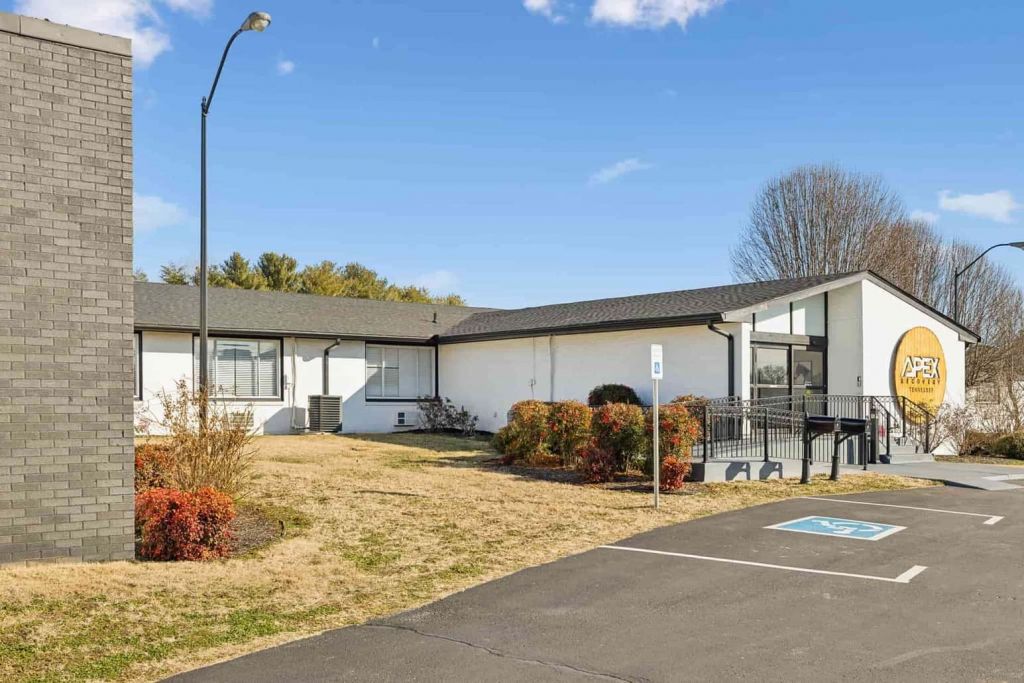
Apex Addiction Recovery Center in Tennessee operates two state-of-the-art facilities. Apex Recovery Brentwood and Apex Recovery Columbia. Our Brentwood facility provides comprehensive addiction treatment services, sobering living homes and aftercare treatment, offering individuals in Tennessee accessible and effective addiction support.
- Apex Recovery Brentwood: 209 Ward Circle, Brentwood TN, 37027
- Apex Recovery Columbia: 2710 Trotwood Ave STE A & B Columbia, TN 38401
Fill in the form below to request a call back from Apex Recovery Tennessee

Sober Living Programs in Tennessee at Apex Recovery
At Apex Recovery, we offer a transitional living program that provides the support, guidance, and structure that individuals in recovery need to reach long-term, sustainable recovery. We provide a safe and sober environment with structured programs, counseling, therapy, and education that facilitate personal growth and healing.
The journey to recovery is never easy. However, a transitional living program at Apex Recovery Tennessee provides individuals with an effective way to transition back into their lives after addiction. At the same time, they’ll be able to maintain the skills and confidence needed to live a healthy and fulfilling life in sobriety. If you or a loved one is struggling with addiction, contact us today at (877) 881 2689.

Check Your Insurance
Apex Recovery Tennessee is in-network and accepts most major health insurance plans to make Sober Living Programs accessible in Tennessee. Contact us today to check your coverage!
FAQs About EMDR Therapy
Sober living sits between treatment and living independently, and the practical questions are the ones that decide whether it works: the rules, the cost, who you live with, and what happens if things slip.
What Are the House Rules in Sober Living?
Structure is the product. Rules vary between homes, but a well-run recovery residence in Tennessee will expect most of the following:
- No alcohol or drugs on the property, including anything not prescribed to you
- Random drug and alcohol testing
- A curfew, usually earlier in your first weeks and extended as you stabilize
- A required number of recovery meetings each week, whether 12-step meetings or a non-12-step alternative
- Employment, study, or active job seeking after a short settling-in period
- Household chores, shared spaces kept in order, and rent paid on time
- Guest and overnight rules, with visitors usually restricted to common areas
Prescribed medication, including medication-assisted treatment, is normally permitted and stored securely. Ask before you move in if you are on a maintenance prescription, because not every home in the state handles this the same way.
What Happens if Someone Uses Again While Living There?
It is treated as a clinical event, not simply a rule breach. Usually that means an immediate reassessment and a step back up in care, often to relapse prevention support or a higher level of treatment, rather than being written off.
The complication is that a sober home has other residents whose recovery depends on the house staying substance free. So a return to use frequently does mean leaving that house, at least while you stabilize, even where the door back is open. Policies differ between providers, so ask directly what happens before you sign anything. Coming forward yourself, rather than being caught by a test, almost always leads to a better outcome.
Does Insurance Pay for Sober Living?
It pays for the treatment, not the bed. Insurance covers clinical services such as outpatient therapy or an intensive outpatient program you attend while living there, but room and board is normally your own cost, paid as rent.
That surprises individuals who assume a single bill covers everything, and it is the most common reason a plan falls apart in week two. Work out the monthly rent alongside whatever your plan leaves you paying for treatment before you commit. The sober living cost page sets out the numbers.
Are Sober Living Homes Men’s, Women’s or Co-Ed?
Gender-separate housing is the norm in recovery residences, and for good reason. Early recovery is a period of heightened vulnerability, and separate housing removes a set of dynamics that otherwise take attention away from the work.
Programming often runs along the same lines, through women’s treatment programs and men’s treatment programs, so the housing and the clinical work match. Confirm the current arrangement at the specific house you are considering when you call, since availability changes.
What Is the Difference Between Sober Living and a Halfway House?
Mostly who sends you and who pays. Sober living is voluntary and privately paid, you choose it, and you can usually stay as long as you are meeting the house expectations.
Halfway houses are more often connected to the corrections system or state funding, with a fixed maximum stay and, in many cases, a court or probation requirement behind the placement. The terms get used interchangeably in everyday speech, which causes confusion, so ask which one a facility actually is. For anyone stepping down from residential treatment, what matters more than the label is whether the house connects to ongoing clinical care and life skills training rather than simply providing a bed.
