

At Apex Recovery, we specialize in empathetic medical detox and structured rehab for veterans with substance misuse and alcohol issues. Our structured care is steady and focused, consistently recognizing that veterans may carry trauma along with them. We work toward long-term recovery goals tailored to each individual’s symptoms and experience. Medical detox and close monitoring are key components of our addiction treatment for veterans. Our experienced and accredited medical support teams deliver evidence-based care in modern, welcoming facilities accessible from major cities like Nashville, Memphis, and Clarksville, as well as surrounding areas of The Volunteer State.
Good access to reliable veteran rehab centers in Tennessee should always be a priority for specifically addressing the ongoing concerns of veterans and their families in looking at addiction treatment options. At Apex Drug and Alcohol Recovery, we accept health insurance from Aetna Insurance, Ambetter Plans, Cigna, Blue Cross Blue Shield of Tennessee, United Healthcare, TRICARE, and Magellan. Our friendly admissions team can also verify benefits and point you toward private-pay options. Call our friendly team today at (877) 881 2689 to find out more and take the first step towards a trusted treatment plan for Tennessee veterans.
What is a Veteran’s Rehab Program?
A veteran’s rehab program provides an organized and research-based recovery approach for former military personnel. Substance misuse issues are treated alongside service-related experiences such as ongoing trauma and stress, and challenges with resuming civilian life when not serving. A treatment plan often begins with medically supervised detox to clear any substances safely before moving on to evidence-based therapy to help with behavioral and mental health.
Military addiction recovery programs often include dual diagnosis treatment for veterans, where combined issues like post-traumatic stress disorder (PTSD) are addressed alongside substance and alcohol addiction. Trauma-informed rehab for veterans is often a vital part of the whole recovery structure and will also commonly include peer support with other vets to share experiences and encouragement on a recovery journey. A personalized approach is also key, as a compassionate rehab program should recognize that experiences are unique and can have different effects for different individuals.
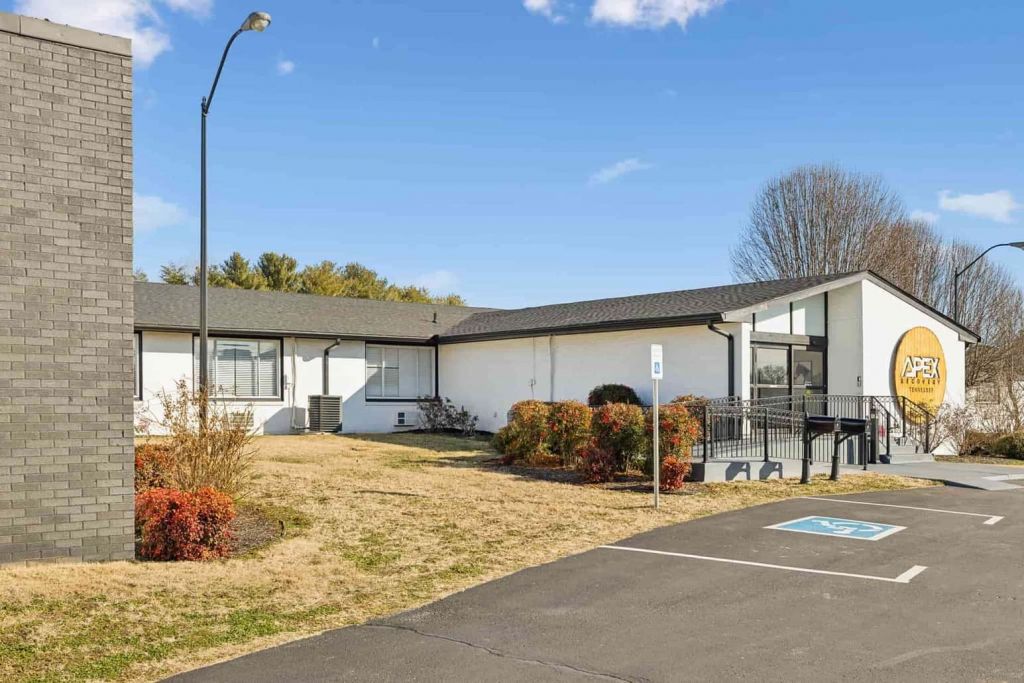
Unique Struggles Of Former Service Members
Addiction issues relating to alcohol and illicit drugs are a significant concern for veterans in Tennessee. Indeed, National data indicate that about 14% of veterans face a substance use disorder annually. This really underscores the need for specialized care that accounts for military experiences and long-term stress. In the state of Tennessee itself, increases in opioid and alcohol misuse further highlight the demand for structured substance abuse treatment accessible to veterans across the state.
Mental health disorders also impact a substantial number of veterans across the state. The Tennessee Valley Healthcare System reported completing over 200,000 mental health appointments in a recent fiscal year, highlighting the immense need for psychological support. Conditions like PTSD and depression, which a certain percentage of vets experience, are often going untreated due to barriers in accessing care.





Recovery often comes with financial questions, which is why Apex Recovery accepts insurance from many major providers, helping make care more accessible. Our admissions team will walk you through your insurance coverage, explain what your plan may include, and guide you through the next steps so you can begin with clarity and confidence.
How Addiction Treatment for Veterans Addresses What Service Leaves Behind
Service shapes what you bring into recovery, from combat stress and broken sleep to worries about your job or VA benefits. You don't have to sort it out alone or explain it twice. Find what sounds like you below, see how APEX Recovery treats it, and where it fits in your care. Our admissions team can walk you through the rest.
Swipe the table sideways to see every column.
The "How it can feel" lines are not direct quotes. They are examples to give you an idea of what some veterans may relate to.
| What you may carry from service | How it can feelThese are not direct quotes. They are examples to give you an idea of what some veterans may relate to. | How we treat it | Where it fits |
|---|---|---|---|
| Combat PTSD and trauma Treated at every stage |
"Memories come back when I least expect them, and a drink is the fastest way to shut them off." |
|
Every level of careStarts with your psychiatric assessment |
| Military sexual trauma | "I never reported it, and I'm not ready to talk about it in front of a group." |
|
ResidentialOutpatientNo disability rating or past report needed |
| Drinking habits from service | "Heavy drinking was normal in the unit. Now I can't get through a day without it." |
|
DetoxResidentialOutpatient |
| Sleep problems, anger, and always being on edge | "I don't sleep, I snap at people, and I'm always scanning the room." |
|
Throughout treatment |
| Finding it hard to open up | "We were trained to push through. Sitting in a room talking about feelings isn't me." |
|
ResidentialOutpatient |
| Strain on your family | "My family has carried a lot since I got out. I want them to understand what's going on." |
|
During treatmentAftercare |
| Worries about your job or VA benefits | "If I go to rehab, will I lose my job, my disability pay, or my VA care?" |
|
Before you admitYour admissions call covers this |
Using TRICARE or a VA Community Care authorization? APEX Recovery accepts TRICARE and many major insurance plans, and also offers private pay. If VA has referred you, our admissions team will go through your authorization with you and confirm what it covers before you set an admission date. Call (877) 435 2982 for a free, confidential benefits check.
Does Insurance Cover Veterans' Addiction Treatment in Tennessee?
Yes, addiction treatment for veterans in Tennessee is often covered by health insurance plans. However, the overall amount and type of coverage will depend on the specific plan and the level of support needed. It is always a good idea to get your benefits checked to see if any pre-authorization is needed or if the provider covers addiction treatment as a medical necessity. Details could vary from plan to plan, so it is always best to check.
At Apex Recovery, we can check which specific parts of our addiction treatment services are covered by an individual insurance plan. We will be able to work with you or a loved one and the insurance provider to clarify all the details, including any out-of-pocket costs and coverage limits. Call today at (877) 881 2689 for assistance with coverage questions and the next steps.
Health Insurance Providers That Cover Drug and Alcohol Rehab in Tennessee
Several major insurance providers offer insurance coverage for drug and alcohol rehab across Tennessee, helping veterans access structured care without carrying the full financial burden. TRICARE, designed for military members and veterans, often includes mental health and addiction services, while Aetna and Cigna plans support detox, inpatient, and outpatient care. Blue Cross Blue Shield of Tennessee also provides insurance coverage for substance use treatment as part of essential health benefits under federal guidelines.
A number of other insurance providers, including United Healthcare also commonly accept veterans’ access to addiction treatment in Tennessee. Benefits from any of these may require in-network health providers. The overall coverage amount will vary by plan, so it is always a good idea to check what is included in your plan. Call the admissions team today at (877) 881 2689 to find out the extent of insurance coverage before starting treatment.
Accessible Drug and Alcohol Recovery Programs in Nashville, Memphis, Knoxville for Retired Military
Veterans across Tennessee, including those living in Nashville, Memphis, and Knoxville, can access Apex Addiction Recovery facilities without having to travel far. Our Brentwood and Columbia locations are both relatively easy to reach. Veterans looking for reliable and ongoing support for trauma, addiction, and mental health issues can access therapeutic guidance at our accredited and easy-to-locate rehab centers.
Consistent support boosts the chances of meeting long-term recovery goals. Accessibility is vital, as veterans need to know they can easily find the assistance they need. This is even more the case when moving between the different stages of detox, inpatient support, and outpatient services. Reducing disruption and enhancing comfortable conveniences can help maintain continuity in a recovery program. We use this sound approach to help vets stay engaged with drug and alcohol recovery programs in Tennessee.
Veteran Rehab in Tennessee at Apex Recovery
In addition to free evaluations, Apex Recovery Tennessee offers access to professional veterans addiction help, including alcohol and drug rehab. Military service members commonly drink alcohol during their deployments. Although the Department of Defense has strict rules on alcohol use, service members may engage in binge drinking, which can affect their ability to fulfill their duties. It can also cause problems in relationships and financial and legal challenges.
We offer addiction recovery services that include:
- Comprehensive and effective veterans addiction rehab programs for alcohol and drugs
- Treatment with medication to help recover from drug and alcohol abuse and to aid in preventative health strategies
- A psychiatric assessment and medication consultation to address co-occurring issues like bipolar disorder, anxiety, or depression
- A holistic approach to treatment that helps with healing and provides access to available addiction and recovery therapies
Apex Recovery stands out from other veterans addiction treatment centers in that we combine addiction recovery with trauma recovery and address co-occurring disorders as well. For example, veterans with PTSD are more likely to face addiction, and individuals with intense anxiety often self-medicate with alcohol and/or illicit substances. Our integrative approach to treatment is designed to help them deal with their chemical dependencies and psychological health.
Addiction Rehab Centers for Veterans in Tennessee
At Apex Recovery, we have multiple locations in Tennessee for accessible addiction treatment for veterans. Our addiction rehab centers deliver a full continuum of care, including medical detox, dual diagnosis support, and outpatient options. We also provide residential care if needed for a full rehab program of structured therapeutic guidance.
- Apex Recovery Brentwood: 209 Ward Circle, Brentwood TN, 37027
- Apex Recovery Columbia: 2710 Trotwood Ave STE A & B Columbia, TN 38401
Fill in the form below to request a call back from Apex Recovery Tennessee

How Much Does Veterans’ Rehab Cost Without Insurance?
Inpatient rehab costs without insurance typically range from $6,000 to $30,000 per month, with the actual expenses depending on the level of care needed and the duration of the support program. Daily inpatient rates are usually between $200 and $1,000. Outpatient support could cost between $2,000 to $10,000 per month, with daily costs from $70 to $334.
While it is fair to say that understanding the costs involved in veterans’ rehab in Tennessee might seem like a challenge, the team at Apex Recovery provides clear information. We can review all your available options and provide clear answers, explaining how treatment costs may differ based on unique circumstances. Call now at (877) 881 2689 to get reassurance about the cost of veterans’ rehab.
Common Behavioral Health Disorders Among Ex-Service Personnels
The experience of serving in the military is often a factor in behavioral health complications. Veterans might be affected by stress, trauma, and dealing with the complications of major life adjustments. Evidence-based care plans guided by compassion and empathetic recovery experiences in Tennessee are central to addiction treatment for veterans.
Mental Health Challenges Among Military Alumni & Veterans
Prolonged exposure to high-stress and destabilizing activity in the forces, and little time to prepare for transitions to civilian life, can often spark mental health concerns for ex-military. Problems with emotional regulation and pronounced stress, along with problems maintaining daily routines, often stem from these experiences. Organized support schemes and clinical care methods can help with the goal of long-term stability.
PTSD and Trauma Disorders in Ex-Service Personnel
Post-traumatic stress disorder, often linked to combat or life-endangering experiences, is a recognized condition among veterans. Symptoms of ongoing stress and trauma include disturbing flashbacks, social anxiety, and avoidance. Daily life can be significantly impacted by these issues, heightening the need for trauma-informed rehab for veterans.
Depression and Anxiety in Retired Military Personnel
Retired military personnel may well experience symptoms of depression and anxiety as they try to become used to post-service life. How they feel about themselves in a new non-serving identity could complicate their everyday life, also with a risk of isolation in some cases. Persistent low mood and lack of motivation can be addressed specifically via integrated care that looks at substance and alcohol misuse alongside emotional health.
Substance Use Disorders in Those Who Wore the Uniform
It is common for many veterans to turn to substance misuse as a way to manage physical pain, emotional distress, or unresolved trauma following military service. Alcohol or drugs could be a way to cope, which can gradually lead to dependence. Structured substance abuse treatment for Tennessee residents can help address both the cause and the behavior.
Alcohol and Opioid Addiction in Prior-Service Members
Alcohol and opioid misuse remain two of the most common concerns among veterans, particularly when prescriptions or social drinking patterns shift into dependency. Long-term use can affect both physical and mental health, making medically supervised detox and ongoing care essential within veterans’ addiction treatment centers.
Traumatic Brain Injury in Combat Survivors & Veterans
A serious trauma to the brain that occurred during training or combat can cause lasting emotional and behavioral changes. Issues with memory function, unpredictable moods, and impaired judgment could all increase an ex-service member’s vulnerability when returning to everyday life. Specialized support to address these issues with both addiction treatment and neurological support is a vital part of addiction rehab for veterans.
Sleep Disorders and Suicidal Ideation in Service Heroes
Physical recovery and emotional balance can be significantly impacted by sleep problems. Insomnia, recurring nightmares, or irregular sleep cycles can intensify mental health problems. In severe cases, a lack of sleep can contribute to feelings of numbness and suicidal ideation, underscoring the vital need for early intervention to target sleep disorders.

Check Your Insurance
Finding the easiest way to handle the financial details in a detox plan should not be overwhelming. Apex Recovery works with many major insurance providers and can review your insurance benefits for alcohol addiction detox on your behalf. Call now and our admission team can help you understand what is included in the plan.
Dual Diagnosis Treatment for Veterans in Tennessee
When substance misuse and mental health conditions are addressed at the same time, it is known as dual diagnosis treatment. Veterans accessing dual diagnosis treatment in Tennessee will receive support for overcoming challenges, such as PTSD, depression, or anxiety, alongside alcohol and substance misuse issues.
Dual diagnosis care is built into every stage of the recovery process at Apex Recovery, allowing our patients to receive consistent support across medically managed detox and residential support or outpatient programs. We focus on identifying root causes while guiding you or a loved one through evidence-based therapies to support long-term stability and meaningful progress.
PTSD, Trauma, and Addiction Treatment for Veterans
Exploring how the past has profoundly affected the present is a major part of addiction treatment for veterans. By focusing on patterns of substance and alcohol misuse and how the past has influenced them, trauma-informed care helps patients to process difficult events while reducing the emotional intensity that can lead to ongoing alcohol or drug use.
Trauma-focused therapy is often a part of the PTSD and addiction treatment for veterans at Apex Recovery. We aim to help vets build healthier coping strategies by connecting addiction recovery with mental health support. A steady part forward can then be accessed, creating a sound way to progress.
Treatment Options Available for Veterans Near Nashville, Tennessee
Veterans living near Nashville, Tennessee, have a range of therapeutic and treatment options that will fit their unique needs. Consistent support is provided from the first process of medical detox right through to long-term support. Lasting recovery outcomes can then be accessed.
- Medical Detox and Withdrawal Management Programs: Medically supervised detox programs will safely help veterans manage withdrawal symptoms while stabilizing physical and emotional health.
- Inpatient and Residential Rehab for Veterans: Structured residential care provides 24/7 clinical support, helping veterans focus fully on recovery progress.
- Outpatient Programs (IOP and PHP Treatment Options): Flexible programs offer structured treatment while allowing for daily responsibilities and routines.
- Dual Diagnosis and PTSD-Focused Therapy Programs: Integrated therapy programs will address trauma and mental health issues alongside substance and alcohol misuse at the same time.
- Medication-Assisted Treatment and Mental Health Care: MAT programs use recommended medications to tackle substance withdrawal symptoms along with evidence-based therapy to target recovery goals.
- Aftercare, Peer Support, and Relapse Prevention Plans: Aftercare supports veterans in maintaining their progress through peer encouragement and relapse risk prevention.
Starting rehab support in the best way is always helped by a clear understanding of an individual’s specific situation. A free drug or alcohol addiction assessment provides this information for both the incoming patient and the support team. At Apex Recovery, our team will review unique health histories and current concerns with clinical concern. Call now to book an assessment.
Secure Specialized Support for Veteran Recovery
When evaluating the pros and cons of Apex Recovery’s veteran and first responder programs in Tennessee to determine if they are actually specialized or just the same treatment rebranded, it is important to understand our targeted clinical approach. We provide a dedicated Tennessee rehab for veterans that directly addresses the unique operational stressors of military service. Whether you require comprehensive residential care or a specific alcohol rehab for veterans, our facility delivers precise, evidence-based interventions rather than generalized care protocols.
For individuals looking into the Apex Recovery Tennessee program for veterans and first responders to understand how their trauma-informed care and dual diagnosis treatment actually work, the methodology is highly structured. Our medical staff treats substance use disorders concurrently with underlying psychological conditions, ensuring comprehensive rehabilitation. If you are a veteran looking for drug treatment programs in Tennessee that work with vets, you will find that our rehab for veterans in Tennessee utilizes advanced therapeutic techniques to foster lasting psychological and physical wellness.
Transitioning toward a healthier future requires a dependable support system. If you state, “I am a veteran looking for outpatient addiction treatment centers in Tennessee that work with vets,” our programs provide the flexible, high-quality continuum of care necessary for your continued success. Contact Apex Recovery today at (877) 881 2689 to discuss our services and verify your benefits. Are you prepared to make an informed decision and take the definitive step toward long-term recovery?
FAQs About Veterans’ Rehab in Tennessee
Veterans exploring addiction treatment often have practical questions about timelines, insurance coverage, and available programs. The answers below provide clear guidance while helping you understand how drug and alcohol rehab for veterans in Tennessee works across different levels of care.
How Do I Get a VA Community Care Referral for Private Rehab?
Start with your VA care team. Ask your VA primary care or mental health provider for a community care consult, and VA will review whether you qualify. If you do, VA issues a written authorization that names the provider, the level of care, and the dates covered. Care you arrange on your own, without that authorization, is generally not covered.
VA typically approves community care when the service is not offered at your VA facility, when you live too far from one, when VA cannot schedule you within its access standards, or when your VA clinician decides it is in your best medical interest. The network runs through third-party administrators, including TriWest Healthcare Alliance and Optum Serve, so keep your authorization letter and reference number where you can find them.
Call APEX Recovery at (877) 881 2689 before you set an admission date. Our admissions team will go through your authorization with you and confirm exactly what it covers.
What Evidence-Based Therapies Treat Combat PTSD and Addiction Together?
Trauma and substance use are treated in one plan, not one after the other. After your psychiatric and clinical assessment, your therapist matches you to the approaches that fit your history and your goals. Common options at APEX Recovery include:
- EMDR trauma therapy for combat memories and other trauma that still intrudes on daily life
- Seeking Safety coping skills, a present-focused protocol built for trauma and substance use at the same time
- Cognitive behavioral therapy for the thought patterns behind cravings, anger, and avoidance
- Dialectical behavior therapy for emotional regulation, distress tolerance, and sleep disruption
- Animal-assisted therapy sessions for veterans who find talk therapy hard to start
- Family therapy and counseling so a spouse, parent, or adult child understands what recovery asks of everyone
Medication-assisted treatment can run alongside any of these when opioids or alcohol are involved.
What Documents Do I Need for a Veterans Rehab Intake Assessment?
Very little to begin. The assessment happens by phone and needs no paperwork at all. For admission, bring a photo ID, your insurance card or VA authorization, and a current list of your medications and doses. Anything else on this list is helpful rather than required:
- Your DD-214 or discharge paperwork, which confirms veteran status and supports a VA community care authorization
- Recent medical, psychiatric, or prescribing records, including any VA records you can request
- Prescription medication in its original labeled bottles
- An emergency contact, plus the name of anyone you want invited into family sessions
- Court, probation, or employer paperwork that someone needs to complete for you
A DD-214 is not required to enter private treatment. If you cannot locate yours, you can request a copy from the National Archives while admission moves forward.
Can Veterans Get Treatment for Military Sexual Trauma and Addiction at the Same Time?
Yes. Military sexual trauma is an experience rather than a diagnosis, and what follows it, including PTSD, depression, anxiety, and heavy drinking or drug use, is treated together in one plan. Separating the two tends to leave whichever is untreated driving the other.
Trauma work moves at a pace you set. Early sessions focus on stabilization, sleep, and coping skills, and deeper processing through EMDR trauma therapy or the Seeking Safety coping skills protocol comes when you are ready. You can ask to work with a therapist you feel safe with, and you decide what you share in group.
VA also provides MST-related mental health care at no cost. You do not need a disability rating, and you do not need to have reported the incident at the time.
Will Going to Rehab Affect My Job or My VA Benefits?
Entering treatment does not reduce your VA disability compensation and does not put your VA health care eligibility at risk. Your substance use treatment records also sit under federal confidentiality rules, 42 CFR Part 2, on top of HIPAA. Nothing is released to an employer, a commander, or anyone else without your written consent, beyond what you authorize for billing or a VA referral.
Your job may be protected too. FMLA leave for rehab allows up to 12 weeks of unpaid, job-protected leave each year if your employer is covered and you meet the service requirements. Many veterans use that window for residential care, then step down into outpatient treatment or sober living and transitional housing and return to work while treatment continues.
Veteran Substance Abuse and Recovery Statistics
- Higher Diagnosis Rates: Approximately 11% of veterans seeking VA care receive a substance use disorder diagnosis, representing a rate 29% higher than the general adult population in 2025.
- Alcohol Use Prevalence: Alcohol remains the most frequently abused substance among veterans, with 65% of those diagnosed with a substance use disorder struggling exclusively with alcohol.
- The PTSD Connection: Clinical data from 2025 shows that veterans with PTSD are 3.4 times more likely to develop a substance use disorder than those without a trauma history.
- Co-Occurring Care Needs: Research indicates that up to 75% of veterans seeking professional substance abuse treatment also meet the criteria for a co-occurring mental health condition like depression or anxiety.
- Suicide Risk Mitigation: The 2025 National Veteran Suicide Prevention Report highlights that 55% of veteran suicide deaths involved the presence of alcohol or drugs, emphasizing the need for integrated recovery services.
- Service Engagement Gap: Despite high rates of need, recent surveys show that roughly 14% of all U.S. veterans report a past-year substance use disorder, yet many remain outside the traditional VA healthcare system.
- Homelessness Correlation: Approximately 70% of veterans experiencing homelessness also struggle with a substance use disorder, with addiction identified as a primary factor in 45% of these cases.
- Treatment Retention Success: Veterans who complete a full clinical recovery program show a 58% success rate in maintaining long-term sobriety at the one-year mark.
- Age-Specific Challenges: Veterans aged 18 to 34 face the highest burden of mental health and substance use issues, often exceeding the rates of their civilian peers in the same age bracket.
- Crisis Resource Growth: In fiscal year 2025, the Veterans Crisis Line handled over 1.3 million interactions, marking a 39% increase in utilized support compared to previous years.
Verified Data Sources: VA: 2025 National Veteran Suicide Prevention Annual Report; RAND Corporation: A Summary of Veteran-Related Statistics (2025 Edition); National Survey on Drug Use and Health (Veteran Sub-Population Analysis 2025).

