

Individual therapy is a type of therapy treatment method used to help people with substance use disorders and other mental health issues. It is often part of a comprehensive plan created for each individual in an addiction treatment program. This article will explain what individual therapy is and how it is used in drug and alcohol addiction treatment.
If you or a loved one is in need of individual therapy in Tennessee for substance use or mental health disorders, Apex Recovery is here to help. Learn more about our individual therapy options in Tennessee by calling (877) 881 2689.
What is Individual Therapy?
As you might have guessed by the name, individual therapy is when a therapist meets with patients one on one to work on issues specific to the person’s needs in the therapy session. In a one-on-one session, patients talk with a licensed mental health professional to establish healthy thought patterns/behaviors.1 Research has found that individual therapy often focuses on emotional awareness/insight.2 This can occur in a variety of ways including:1
- Become aware of inaccurate or harmful thinking.
- Question unhelpful thoughts.
- Identify ways to cope with stressful situations/thoughts.
- Develop problem solving skills.
- Improve social and communication skills.
- Explore troubling issues and feelings.
Apex Recovery offers individual therapy for addiction in Tennessee and tailors each patient’s individual therapy sessions to meet their unique needs/goals.



Contact Apex Recovery Tennessee to check your insurance coverage levels for Individual Therapy for Addiction.
Does Insurance Cover Individual Therapy in Tennessee?
Yes, insurance providers are likely to cover at least some of the cost of individual therapy in Tennessee, however, the amount covered will depend on a number of factors such as:
- Individual coverage levels
- Length of treatment.
- Type of program.
- Type of insurance coverage.
- Location of program.
Apex Recovery’s knowledgeable team can confidentially discuss your insurance coverage to help you understand what your insurance will and will not cover and to give you a more accurate cost estimate. You can call today or fill out our quick insurance verification tool.
Mental Health & Addiction Treatment in Tennessee at Apex Recovery
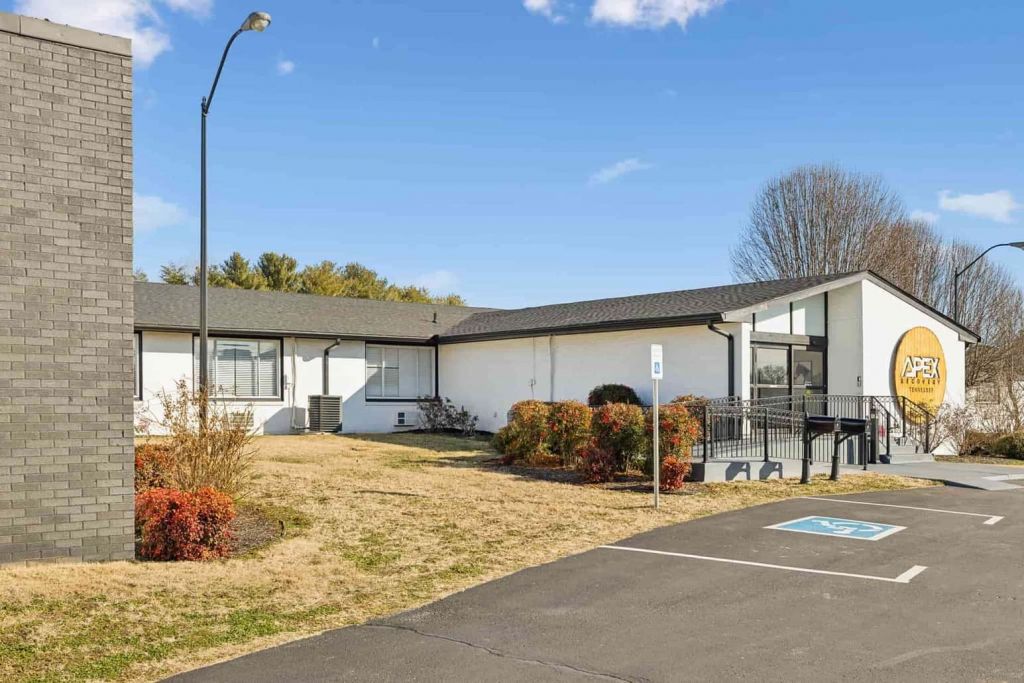
Apex Recovery in Tennessee has two facilities in the state which offer individual therapy services as part of comprehensive treatment programs. Our drug and alcohol centers provide a tranquil backdrop for recovery.
- Apex Recovery Brentwood: 209 Ward Circle, Brentwood TN, 37027
- Apex Recovery Columbia: 2710 Trotwood Ave STE A & B Columbia, TN 38401
Fill in the form below to request a call back from Apex Recovery Tennessee
Types of Individual Therapy in Tennessee for Addiction
Types of individual therapy offered will depend on each individual program. Apex Recovery offers a variety of therapy options in both individual and group therapy sessions including: 3, 4, 5, 6,
- Cognitive Behavioral Therapy – A highly researched talk therapy used to treat addiction and many other mental health disorders like anxiety and depression. This type of therapy focuses on changing unhealthy/harmful thinking patterns.
- Motivational Interviewing – A therapy that helps patients increase motivation to continue treatment and targets ambivalence and other common factors that contribute to patients dropping out of programs.
- Dialectical Behavioral Therapy – Is a type of addiction treatment where patients learn to envision, pursue, and sustain healthy goals and behaviors.
- Experiential Therapy – This therapy makes use of expressive tools and activities to help patients become more aware of their emotions, perceptions, and sensations.
- Family Counseling Program – Family members join therapy sessions to address their influences on unhealthy patterns and learn to improve overall family functioning.
No single treatment is effective for every person, so by offering a variety of options, patients in addiction treatment at Apex Recovery can get a tailored treatment program designed to focus on their specific needs.

What to Expect During Individual Therapy in Tennessee
During individual therapy in Tennessee, patients meet one-on-one with a trained counselor to “work together” on a variety of tasks including:3 ,8
- Goal setting.
- Address motivation to change.
- Create incentives for abstinence.
- Build skills for resisting drug and alcohol use.
- Set “homework” exercises for outside sessions.
- Assess progress and modify accordingly.
If you have more questions on what to expect during rehab, call our admissions team at (877) 881 2689 to learn more on how treatment plans are created and how to get you or your loved one into treatment now.
Check Your Insurance
Apex Recovery Tennessee is in-network and accepts most major health insurance plans to make Individual Therapy for Addiction more accessible in Tennessee. Contact us today to check your coverage!
Benefits of Individual Therapy for Addiction
Therapy can be challenging at first as it requires you to be honest with yourself and your therapist and dig deep into parts of your past or emotions that you may have been trying to avoid with substances. Once you begin to engage, you will find that your initial hesitation eases and you begin to recognize the progress you’re making.
Some of the benefits of an individual therapy program are:
- Self-awareness – As you explore your addiction, you gain an understanding of yourself. You’ll learn how to recognize and work through issues that stand in the way of healing. Part of therapy includes learning skills for coping with emotional and psychological cravings. When someone with an addiction is free of substances and looks fearlessly inward, the self-awareness that is gained becomes the base upon which you can build your ongoing recovery.
- Understanding your triggers – You’ll start to recognize your triggers and understand why they affect you. When in the throes of drug or alcohol addiction, you are usually unable to realize that there are certain things that spark cravings or underlie your desire to use. Perhaps you are self-medicating for a co-occurring mental health condition, or you are trying to escape from feelings of fear, inadequacy, or loneliness. Once you understand why you started using drugs or alcohol in the first place, it becomes easier to move forward without being dependent on substances.
- Improved communication – Communication skills take a hit when someone is dealing with a SUD. Due, in part, to a lack of self-awareness, as well as defensiveness and denial about your addiction, your relationships may have suffered. It is hard to communicate successfully without honesty and compassion. In individual therapy, you can work on this skill and continue to develop it in group and family therapy as well.
- Mindfulness – Many of the evidence-based therapy modalities used for addiction treatment emphasize mindfulness, which helps you learn to live in the moment with acceptance rather than being trapped in the past or living in fear of the future. Mindfulness practices can help you soothe anxiety, avoid cravings, and improve physical and mental health in general.
Individual therapy is a significant underpinning of successful recovery.
Contact Apex Recovery Tennessee to check your insurance coverage levels for Individual Therapy for Addiction.
How to Find Individual Therapy Near Nashville, Tennessee
Apex Recovery offers individual therapy as part of a wider, comprehensive treatment programming to ensure addiction and mental health issues are treated fully to give the best chances of success. At Apex Recovery, we offer comprehensive treatment programs in both an inpatient and an outpatient facility in Tennessee, where individual therapy will also be provided.
Confidential and anonymous services like FindTreatment.gov’s online database can help you locate a treatment program for you or your loved one discreetly. For more information on the services and costs of treatment in Tennessee at Apex Recovery, call today at (877) 881 2689. We are here to help you.
Sources
- National Institute of Mental Health. (N.D.). Psychotherapies.
- Ardito, R. B., & Rabellino, D. (2011). Therapeutic alliance and outcome of psychotherapy: historical excursus, measurements, and prospects for research.
- American Psychological Association. (2017). What is Cognitive Behavioral Therapy?
- McHugh, R. K., Hearon, B. A., & Otto, M. W. (2010). Cognitive behavioral therapy for substance use disorders.
- Dimeff, L. A., & Linehan, M. M. (2008). Dialectical behavior therapy for substance abusers.
- Cowden, R. G., Chapman, I. M., Houghtaling, A., & Worthington Jr, E. L. (2021). Effects of a group experiential therapy program on the psychological health of military veterans: A preliminary investigation.
- National Institute on Drug Abuse. (2011). Drugs, Brains, And Behavior: The Science of Addiction.
- National Institute on Drug Abuse. (2018). Principles of Drug Addiction Treatment: A Research-Based Guide (Third Edition).


