Drug and alcohol use disorders are a major public health concern as overdose rates continue to rise and people suffer the fallout in their relationships, careers, and mental and physical health. Whether you or someone you love is struggling with an addiction to opioids, alcohol, methamphetamines, cocaine, or any other highly addictive and potentially deadly substances, a professional addiction treatment program is the safest option with the best chance of successful recovery.
Apex Recovery operates drug and alcohol rehab facilities across Tennessee. One of our addiction rehab facilities provides residential treatment programs, offering round-the-clock and evidence-based care. Reach out today to learn how our inpatient addiction treatment program can help you with your recovery. We can answer your questions and offer you helpful guidance. Our compassionate staff is available to talk to you when you call (877) 881 2689 or reach out to us online. If you’re ready to build a foundation for lasting recovery, we’re here to help.
Apex Recovery collaborates with numerous health insurance providers, offering in-network coverage for their residential treatment programs. This ensures that people seeking assistance for addiction can access quality care without financial burden. By accepting insurance, Apex Recovery helps make comprehensive Tennessee residential substance abuse treatment accessible to a broader range of people in need. See our insurance page for more.
What is a Residential or Inpatient Addiction Rehab Facility?
A residential or inpatient addiction rehab facility is a specialized center where people with substance use disorders receive intensive treatment and support in a structured living environment. Unlike outpatient programs, residential rehab requires patients to stay on-site 24/7, providing a safe and controlled setting away from everyday triggers and stressors that may contribute to their addiction.
These facilities offer a comprehensive approach to residential recovery, incorporating a mix of therapy sessions, medical care, and supportive services designed to address not just the addiction itself, but also the underlying psychological, emotional, and behavioral issues. The goal is to equip people with the tools, strategies, and resilience needed to achieve long-term sobriety and improve their overall quality of life.
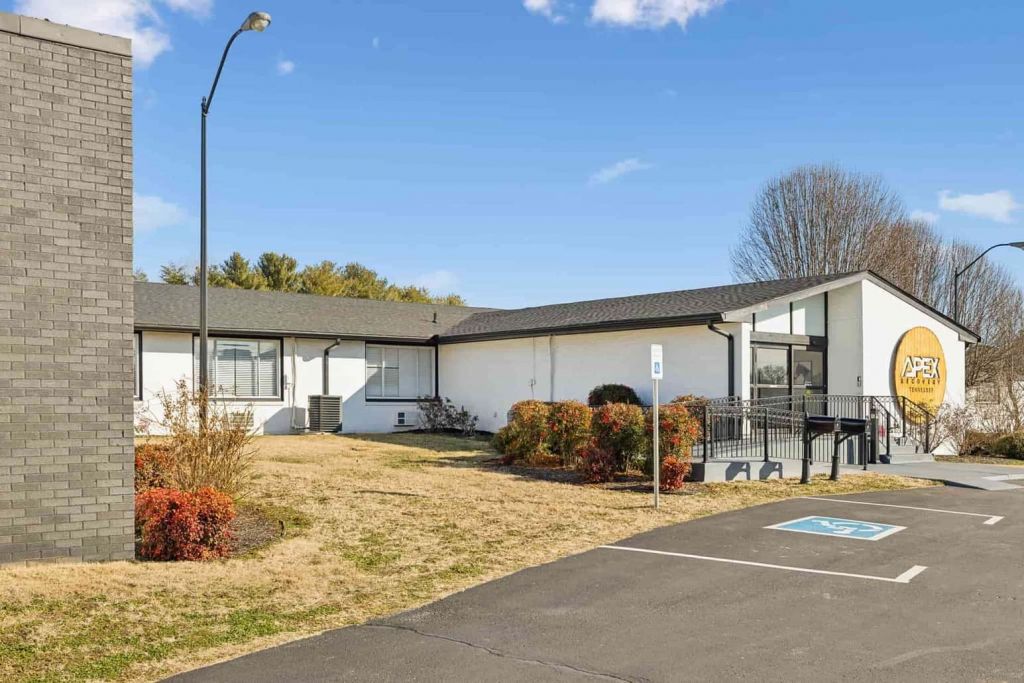
What are the Major Differences Between Inpatient and Residential Addiction Treatment Programs?
While inpatient and residential addiction treatment programs both offer immersive environments for recovery, the major difference lies in their clinical setting. Inpatient programs are typically in hospital settings, providing a high level of medical and psychiatric care. This is ideal for detoxification or for those with severe addiction and co-occurring disorders, offering immediate access to medical professionals and emergency services.
Residential programs, conversely, are often situated in more home-like environments, focusing on a holistic approach to recovery that includes therapeutic community support, and lifestyle changes. Although less clinically intensive, Tennessee residential addiction treatment still provides a structured, supportive environment aimed at fostering long-term sobriety.
What are the Major Differences Between Outpatient and Residential Treatment?
The major differences between outpatient and residential treatment lie in their structure and intensity. Outpatient treatment allows people to live at home and maintain daily responsibilities while attending scheduled treatment sessions. Tennessee residential drug treatment requires living in a facility, offering a highly structured environment with 24/7 care and intensive support, ideal for those needing a focused setting to address their addiction.
What are the Major Differences Between a Partial Hospitalization Program and Residential Treatment
Partial hospitalization programs (PHP) offer intensive treatment during the day, allowing patients to return home in the evenings. Residential treatment, on the other hand, involves a live-in commitment at a facility with 24/7 supervision and support. While both provide structured care, residential treatment offers a more immersive environment, ideal for those requiring ongoing support and monitoring.
Tennessee Drug & Alcohol Inpatient and Residential Treatment Stats
In 2020, Tennessee reported 7,267 residential treatment admissions, highlighting a significant demand for substance abuse and mental health services. Notably, 1,579 of these admissions involved patients under the age of 18, emphasizing the need for youth-targeted interventions. The state also saw an average of 590 clients remain in residential treatment for over a year.
Despite these efforts, 28.7% of Tennessee adults who needed mental health treatment did not receive it, and only 8.9% of children received mental health care. Tragically, the state experienced over 3,000 opioid overdose deaths, underlining the opioid crisis’s severity. Financially, Tennessee ranked 16th in the U.S. for the cost of residential drug rehab, making it relatively more affordable than other states. Yet, 1,568 patients enrolled in residential drug services statewide, indicating a growing recognition and utilization of these crucial services.
Discover the Popular Towns, Cities, and Sites of the Volunteer State
Tennessee, known as the Volunteer State, boasts an abundance of charming towns, vibrant cities, and iconic sites. Nashville, the state capital, is renowned for its live country music scene, BBQ, and historic landmarks like the Grand Ole Opry. Memphis, famous for its rich musical heritage and Elvis Presley’s Graceland, draws visitors worldwide.
The Great Smoky Mountains National Park offers breathtaking natural beauty and outdoor adventures. Knoxville combines its vibrant arts scene and rich historical heritage with the natural beauty of the mountains. Additionally, Gatlinburg and Pigeon Forge are popular destinations nestled in the Smokies, offering family-friendly entertainment like Dollywood and stunning mountain views. Tennessee’s diverse landscapes and cultural attractions make it a captivating destination for travelers of all interests.

Contact Apex Recovery Tennessee to check your insurance coverage levels for Residential Inpatient Drug and Alcohol Treatment.
30, 60 Or 90 Days? Comparing Residential Rehab Stays In Tennessee
Residential rehab means living on-site with care around the clock, so the length of your stay shapes more than your treatment. It decides how long you are away from work and family, how your family takes part, and what comes after. Here is how a 30, 60, or 90-day stay compares with long-term care at APEX Recovery.
Swipe the table sideways to see every column.
| Length of stay | Your time on-site | Time away from work and family | How family is involved | What comes next |
|---|---|---|---|---|
| 30days |
|
About one monthFits within FMLA's 12 weeks, if you and your employer qualify | Family sessions, in person or by video, with only the people you choose. They start with what happened and how it has affected everyone. | A step down to PHP or IOP, often with sober living if home isn't stable yet |
| 60days |
|
About two monthsFits within FMLA's 12 weeks, if you and your employer qualify | Sessions move on to what changes when you come home, so everyone knows what to expect. | PHP or IOP, with your relapse prevention plan in hand |
| 90daysAPEX Pledge eligible |
|
About three monthsClose to FMLA's 12 weeks, if you and your employer qualifyPlan your dates with your employer before you admit | Sessions cover what support looks like at home, without it turning into supervision. | A step down to PHP or IOP, backed by the APEX Pledge |
|
The APEX PledgeComplete a 90-day program, and if you return to substance use within 12 months, we provide up to 30 additional days of treatment at no cost. |
||||
| 6–24months |
|
Six months or moreLonger than FMLA's 12 weeksTalk to your employer about other leave options | Family sessions continue, and trauma carried by the wider family is addressed through trauma-focused therapy. | Outpatient care and ongoing support through 12-step or non-12-step groups |
What will it cost? Your cost depends on your insurance plan and how long you stay. APEX Recovery is in-network with many insurers and also offers private pay. Call (877) 881 2689 for a free, confidential benefits check, and ask admissions for help with your FMLA paperwork. FMLA leave is not automatic: it generally applies to employers with 50 or more employees and to staff with at least 12 months of service, so check your own eligibility before you plan your dates.
What is the Process of Inpatient or Residential Addiction Rehab?
The process of inpatient or residential addiction rehab typically follows a structured approach to ensure comprehensive care and support for those seeking recovery. The process begins with an intake assessment to gather detailed information about the person’s health history, substance use, and any co-occurring mental health conditions.
Following assessment, detoxification may be the next step, providing medical supervision to safely manage withdrawal symptoms. Post-detox, the core of the rehab process involves intensive therapy sessions, including individual counseling, group therapy, and possibly family therapy, to address the psychological aspects of addiction. Educational workshops and skills training are also integral, equipping patients with coping mechanisms and relapse prevention strategies. The goal is to foster a stable foundation for long-term recovery and a healthier, substance-free life.
Do Health Insurance Plans Cover Residential Alcohol & Drug Rehab in Tennessee?
Many health insurance plans in Tennessee offer coverage for residential alcohol and drug rehab programs, although the extent of coverage can vary depending on the specific plan and provider. It’s essential for people to review their insurance policies carefully to understand what services are covered and what out-of-pocket expenses may apply.
To navigate insurance coverage and explore options for residential treatment, reach out to Apex Alcohol and Drug Addiction Recovery Center, as we can provide personalized assistance in understanding insurance benefits and determining the best course of action for accessing quality care. Contact us at Apex Drug and Alcohol Addiction Recovery Center today, or call us at (877) 881 2689 to learn more about how we can check your insurance and help cover the costs of residential alcohol and drug rehab in Tennessee.
Residential / Inpatient Centers in Tennessee
Apex Addiction Recovery Center in Tennessee boasts two specialized substance abuse treatment facilities, one in Brentwood and one in Columbia. Between both rehabilitation centers, we offer a nurturing environment for residential or inpatient care, allowing you to immerse yourself fully in your recovery process.
- Apex Recovery Brentwood: 209 Ward Circle, Brentwood TN, 37027
- Apex Recovery Columbia: 2710 Trotwood Ave STE A & B Columbia, TN 38401
Fill in the form below to request a call back from Apex Recovery Tennessee
What is Treated at Nashville, Tennessee Residential Drug & Alcohol Rehab Facilities
Nashville, Tennessee’s residential drug and alcohol inpatient rehab facilities are equipped to treat a wide range of substance dependencies. These centers specialize in comprehensive care for addictions to opioids, alcohol, benzodiazepines, and stimulants, providing targeted treatments and support systems designed for each specific type of substance abuse. Expert care teams develop personalized recovery plans for the unique challenges of each person.
Alcohol Addiction Treatment
Tennessee residential facilities provide personalized treatment for alcohol addiction, offering a range of therapeutic interventions to address the complex nature of alcohol dependency. These programs often include medically supervised detoxification, individual and group therapy sessions, life skills training, and support groups. Through a holistic approach, patients receive comprehensive care to overcome alcohol addiction and achieve long-lasting sobriety.
Opioid (Heroin, Opiate, Prescription Painkillers) Addiction Treatment
Tennessee residential facilities offer specialized treatment for opioid addiction, including heroin, opiate, and prescription painkiller dependencies. These programs typically incorporate a combination of medication-assisted residential therapy, individual and group counseling, behavioral therapies, and holistic residential treatment approaches to address the physical, psychological, and emotional aspects of opioid addiction, fostering a comprehensive path to recovery.
Benzodiazepine (Xanax, Ativan, Valium) Addiction Treatment
Residential facilities in Tennessee offer dedicated treatment programs for benzodiazepine addiction, including dependencies on Xanax, Ativan, and Valium. These treatments typically involve a medically supervised detox process, followed by various therapies, cognitive-behavioral therapy, and relapse prevention strategies. The goal is to address both the physical and psychological aspects of addiction, promoting holistic recovery.
Stimulants (Cocaine, Methamphetamine) Addiction Treatment
In Tennessee, residential facilities provide comprehensive treatment for stimulant addictions, such as cocaine and methamphetamine. These programs focus on intensive care that includes medically supervised detoxification, behavioral therapies, individual and group counseling, and relapse prevention education. The aim is to help people understand the root causes of their addiction and develop coping mechanisms for sustainable recovery.
The Benefits of Residential Treatment for Addiction
At Apex Recovery Nashville, we understand that making the decision to enter residential treatment is a daunting and difficult one. If you’re looking into a residential addiction treatment program that can support your goals, our Tennessee treatment center could be the right option for you. Our professional team is dedicated to providing high-quality care that will set you up for success in your recovery journey.
24/7 Medical Support
In residential treatment, you’ll have access to 24/7 medical care and support. This ensures that any medical emergencies or needs are taken care of immediately.
Structured Environment
Residential treatment provides a safe and structured environment that helps to keep you away from any potential triggers or temptations.
Comprehensive Treatment Plans
Residential treatment plans are customized to your specific needs and goals. This includes individual and group therapy as well as various other treatment approaches.
Evidence-Based Treatment
Many residential treatment programs are based on evidence-backed research and proven treatment approaches. This ensures that you’re receiving the highest quality care and the best possible outcomes.
Holistic Approach
Residential treatment programs often take a holistic approach to addiction treatment, addressing any underlying issues that may be contributing to your addiction. Mental health treatment, nutritional counseling, and holistic healing approaches are just a few of the many options available.
Supportive Community
While in residential treatment, you’ll be part of a supportive and understanding community of fellow clients. This helps to create a sense of camaraderie and a feeling of belonging.
Accessible Resources
Addiction treatment centers strive to provide clients with easy access to all of the resources and support they need. This includes anything from medication management to aftercare planning.
Follow-Up Care
Typically, residential treatment programs also include follow-up care after you leave. Your treatment team will work with you to make sure that you have a plan for aftercare and the support you need to stay on track, whether you’d benefit from outpatient treatment or an intensive outpatient program.

How Much Does Residential Addiction Treatment Cost Without Health Insurance in Tennessee?
The cost of residential addiction treatment in Tennessee without health insurance can vary depending on factors such as the duration of the program, amenities provided, and the specific treatment center. On average, residential treatment can range from $5,000 to $30,000 per month.
However, it’s important to note that these figures are approximate and can be higher or lower based on individual circumstances and the facility. Additionally, many treatment centers, including Apex Substance Addiction Recovery Center, offer sliding scale fees or financial assistance options to make treatment more affordable for those without insurance.
Check Your Insurance
Apex Recovery Tennessee is in-network and accepts most major health insurance plans to make Residential Inpatient Drug and Alcohol Treatment more accessible in Tennessee. Contact us today to check your coverage!
How Long are Long-Term Residential Mental Health Therapy Programs in Tennessee?
Long-term residential mental health therapy programs in Tennessee vary in duration to accommodate diverse needs and treatment goals. 30-day programs offer a brief but intensive intervention. 60-day and 90-day programs allow for deeper exploration and more comprehensive treatment planning. For those requiring extended support, 6-month, 12-month, and even 24-month residential programs offer ongoing care and skill-building to promote sustained recovery.
30-Day Residential Treatment Program
A 30-day residential mental health treatment program in Tennessee provides people with a focused and intensive therapeutic experience aimed at stabilization and initial intervention. During this period, patients receive comprehensive assessment, individual and group therapy sessions, medication management if needed, and support in developing coping skills to manage symptoms and promote recovery.
60-Day Residential Treatment Program
A 60-day residential treatment program in Tennessee offers an extended period for intensive therapy and recovery support. With an additional month, this time frame allows for deeper exploration of underlying issues, more comprehensive treatment planning, and greater skill development for managing mental health symptoms. Patients receive structured therapy sessions, medication management, and ongoing support throughout their stay.
90-Day Residential Treatment Program
A 90-day residential treatment program in Tennessee provides patients with an extended timeframe for intensive therapy and recovery support. This program offers ample time for comprehensive assessment, deeper exploration of underlying issues, and skill-building to manage mental health symptoms effectively. Patients participate in structured therapy sessions, medication management, and receive ongoing support to promote lasting recovery.
6-Month, 12-Month and 24-Month Residential Treatment Programs
Tennessee offers extended residential treatment programs lasting 6 months, 12 months, and 24 months, providing patients with comprehensive and sustained support for long-term recovery from mental health disorders. These programs allow for in-depth therapy, skill-building, and relapse prevention strategies, empowering people to address underlying issues and develop resilience for lasting mental wellness.
How Long are Short-Term Residential and Inpatient Treatment Programs in Tennessee?
Short-term residential and inpatient treatment programs in Tennessee offer varying durations to accommodate different levels of need and urgency. Weekend programs provide a brief but focused intervention, offering intensive therapy and support over a short period. Similarly, 3-day, 5-day, and 7-day programs provide a condensed yet impactful approach. 10-day, 14-day, and 21-day programs offer extended support to promote stabilization.
Residential Rehab Weekend Program
The Residential Rehab Weekend Program in Tennessee is designed for those seeking a brief but intensive therapeutic intervention. This condensed format focuses on providing immediate support, crisis intervention, and the beginnings of a treatment plan over a few days. It’s ideal for those who need immediate assistance but cannot commit to longer-term treatment due to personal obligations.
Residential 3-Day, 5-Day, and 7-Day Rehab Programs
Residential 3-day, 5-day, and 7-day rehab programs offer short-term, intensive treatment options tailored to people needing urgent but brief therapeutic support. These programs focus on crisis intervention, stabilization, and the foundation for ongoing recovery, ideal for those with time constraints or as a step towards longer-term treatment, providing focused therapy and initial recovery planning.
Residential 10-Day, 14-Day, 21-Day Rehab Programs
Residential 10-day, 14-day, and 21-day rehab programs offer slightly longer-term options for those requiring more intensive support than shorter residential addiction programs can provide. These programs allow for more comprehensive assessment, therapy, and skill-building, offering people a greater opportunity to address underlying issues and develop coping strategies before transitioning to outpatient care or longer-term residential treatment.
What to Expect in Inpatient Rehab
Inpatient rehab can help you build a foundation for long-term recovery. Here’s what to expect during your stay:
- A comprehensive assessment of your physical and mental health to create a personalized treatment plan
- Individual counseling sessions with a trained therapist or counselor
- Group therapy sessions with peers facing similar experiences and challenges
- Treatment for co-occurring mental health conditions like anxiety or depression
- Medication-assisted treatment (MAT) for opioid or alcohol addiction
The consistency and accountability that comes with residential treatment can help set you up for success and give you the tools to make healthier decisions.
Tennessee Inpatient or Residential Treatment Centers for Mental Health
Tennessee offers a range of inpatient and residential treatment centers specifically tailored to address mental health disorders through therapy. These facilities provide intensive, structured environments where people receive comprehensive care for conditions such as depression, anxiety, bipolar disorder, and more. Treatment typically involves a combination of evidence-based therapies, medication management, psychoeducation, and support groups.
With a focus on holistic healing and individualized residential mental health programs, these residential rehabilitation centers address the underlying causes of mental health disorders and equip patients with the tools and skills necessary for long-term recovery and improved mental well-being.
Contact Apex Recovery Tennessee to check your insurance coverage levels for Residential Inpatient Drug and Alcohol Treatment.
Finding Residential or Inpatient Substance Abuse Treatment Centers in Middle Tennessee
Discovering the right residential or inpatient substance abuse treatment center in Middle Tennessee can be vital towards recovery. It’s essential to find a Tennessee residential substance abuse treatment facility that offers the support and care necessary for a successful journey to sobriety.
It can be difficult to take that first step – but we’re here to help. At Apex Recovery Nashville, our team of highly skilled professionals is dedicated to providing the highest quality care possible and helping you build a foundation for long-term recovery. We offer comprehensive residential treatment services that are tailored to meet your needs. Our program includes evidence-based therapies, medication-assisted treatment, and outpatient programs that focus on relapse prevention and aftercare planning.
Call Apex Recovery at (877) 881 2689 or reach out online today to learn more about our residential treatment services and how we can help you start your journey toward recovery. Our team is here for you every step of the way.
Other ways to find to Residential or Inpatient Addiction Treatment Centers in Tennessee
Utilizing search engines like Google can yield many options, allowing you to browse facilities, read reviews, and compare services. Try searching “Tennessee residential alcohol treatment near me” or “Tennessee residential addiction treatment near me” to start. Referrals from primary care physicians offer personalized recommendations based on medical history and individual needs.
Insurance provider directories can help identify treatment centers covered by your insurance plan. Additionally, city, state, and federal resources such as Tennessee’s Department of Mental Health and Substance Abuse Services or the Substance Abuse and Mental Health Services Administration (SAMHSA) provide comprehensive directories and support services. Explore these links for further assistance:
Inpatient / Residential Addiction Treatment Frequently Asked Questions (FAQs)?
Residential treatment means moving into a facility for weeks or months, so the questions are practical ones about packing, detox, family contact, and work. The answers below cover what to expect before, during, and after inpatient rehab in Tennessee.
What Should You Pack for Residential Rehab in Tennessee?
Pack for about a week and plan to do laundry. Comfortable clothing, closed-toe shoes, and your own toiletries cover most of it. Bring these:
- Seven days of comfortable, weather-appropriate clothing, plus sleepwear and a jacket
- Closed-toe shoes for activity sessions and one pair for everyday wear
- Photo ID, insurance card, and a form of payment for incidentals
- All prescription medication in its original labeled bottles, plus a written list of doses
- Alcohol-free toiletries, since mouthwash, hand sanitizer, and some sprays often contain alcohol
- A written list of phone numbers, because your phone will not be your address book here
- A journal, photographs, and anything small that makes a room feel like yours
Leave at home anything with alcohol in it, aerosols, weapons or sharps, outside food and supplements, valuables, and clothing with drug or alcohol branding. Device rules are set by program, so confirm those with your admissions counselor along with the current packing list before you travel.
Does APEX Recovery Provide Medical Detox Before Residential Treatment?
Yes, at our Columbia campus. Inpatient detox and residential treatment sit on the same site, which means you move from withdrawal management into the residential program without a second admission, a second assessment, or a gap where most individuals drop out.
Detox typically runs about seven days, though alcohol, benzodiazepine, and opioid withdrawal vary in length and severity. Medication is used where it is clinically indicated, including Suboxone and medication-assisted treatment, and it continues into residential care rather than stopping at the door. Fentanyl detox and withdrawal treatment follows its own protocol because of how long the drug stays in the system.
Can Family Take Part in Therapy From Outside Middle Tennessee?
Yes, by video. Family sessions are delivered through teletherapy where relatives cannot travel, which matters when a spouse is holding down a job in another state or a parent lives across the country. Distance is not a reason to leave family out of the clinical work.
Sessions are scheduled with your therapist and only include the individuals you authorize. What gets covered is the practical ground: what happened, what changes at discharge, and what support looks like without turning into supervision. Where the family picture is more complicated, couples addiction treatment is assessed separately, and trauma carried by the wider family is addressed through EMDR therapy and other trauma-focused work rather than in general family sessions.
How Do You Apply for FMLA Leave for a 30 to 90 Day Program?
You start with your employer, not with us. The sequence is fixed by federal rule and moves faster than most individuals expect:
- Give notice. Thirty days in advance when the need is foreseeable, or as soon as practicable when it is not, following your employer’s normal leave procedure
- Your employer has five business days to confirm your eligibility and request medical certification
- You have 15 calendar days to return that certification, completed by a health care provider
- Our clinical team completes the treatment portion for you, so ask admissions for it during intake
You are eligible if you have worked for your employer for 12 months, logged 1,250 hours in the 12 months before leave, and work at a site with 50 or more employees within 75 miles. That gives up to 12 weeks of unpaid, job-protected leave, which covers a 30, 60, or 90 day program. Use the FMLA coverage guide for rehab to check your position first.
What Happens When Residential Treatment Ends?
You step down, you do not stop. Discharge from residential care moves you to a lower level of care rather than back to nothing, because the weeks right after an inpatient stay are when the risk is highest and the structure disappears fastest.
For most individuals that means partial hospitalization or intensive outpatient treatment first, often alongside sober living and transitional housing if home is not yet a stable place to be. Your relapse prevention plan is written before you leave, not after, and names your triggers, your contacts, and what you do in the first difficult week. Ongoing support runs through 12-step recovery or non-12-step options, whichever fits how you actually think.
The APEX Pledge backs that continuity. Complete a 90-day program with us and, if a return to substance use happens within 12 months of discharge, your next stay is covered for up to 30 additional days at no cost.
Residential Treatment & Inpatient Recovery Statistics (Updated 2026)
- Long-Term Success Rates: 2026 clinical reviews indicate that individuals who complete a 90-day residential treatment program are 50% more likely to maintain continuous sobriety in the first year compared to those in short-term stays.
- Dual Diagnosis Integration: Approximately 62% of patients admitted to residential rehab in 2025–2026 required integrated care for co-occurring mental health disorders, such as PTSD or clinical depression.
- Safety & Supervision: 2025 data shows that 24/7 medical supervision in residential settings reduces the risk of severe withdrawal-related complications by 85% compared to unmonitored home detoxification.
- Relapse Prevention Efficacy: Residential programs incorporating evidence-based therapies (CBT/DBT) reported a 40% improvement in patient coping-skill acquisition during the 2025–2026 period.
- National Treatment Demand: According to 2025 federal reports, over 48 million Americans meet the criteria for substance use disorder, though only 1 in 10 currently access specialized inpatient or residential care.
- Peer Support Impact: Patients in residential environments with high peer-to-peer engagement saw a 25% increase in treatment completion rates in 2026 assessments.
- Post-Treatment Outcomes: 2025 longitudinal studies suggest that transitioning from residential care to a structured sober living environment increases long-term recovery stability by 38%.
- Holistic Care Trends: 72% of top-tier residential facilities in 2026 now include nutritional therapy and physical wellness programs as core components of their substance abuse recovery models.
- Family Involvement: Residential programs that mandate family therapy sessions as part of the curriculum saw a 33% reduction in family-related stress triggers for the patient post-discharge in 2025.
- Economic Return: 2026 public health data indicates that every $1 invested in residential substance abuse treatment yields a $7 return in reduced healthcare and criminal justice costs.
Verified Data Sources: SAMHSA: 2025 National Survey on Drug Use and Health; NIDA: 2025-2026 Treatment Duration and Outcome Analysis; CDC: 2025 National Health Statistics Report.